These records are found in the online catalog of The Mariners’ Museum and Park in Newport News, Virginia. Uncurated search results are presented to give researchers and interested readers an idea of whether the museum’s archives contain information about this vessel and whether it may be worthwhile to visit the museum’s catalog search page for further investigation. Uncurated results may be inaccurate or incomplete.
Mariners Museum online catalog search, July 12, 2026. Search phrase: "Argus". Catalog returned 56 records; this selection table includes 56 records fetched through catalog result pages.
Use these buttons to send uncurated search results to your own app or text document for further research. First, check the box for any row, or click "Select All" then uncheck any rows. Then click "Show Selections". You can then copy your selections from the text box and past them into your app.
Shows a starboard side view of a tug boat. This negative has some chemical spotting and thumbtack holes. Stanton's notes place him in Philadelphia, Pennsylvania. Stanton's notebooks contain the following information about this item: "Mar 23, 1895"
NOTES: Charles J. A. Wilson was born in 1880 in Glasgow, Scotland. He came to America as an infant and in his teens moved to Newton, Massachusetts. Wilson was a prolific, self-taught, marine artist who gained much of his experience from working in the Boston shipyards. He worked as an artist for Bethlehem Shipbuilding in East Boston, etching their ships from blueprints. During the World War I, Wilson spent two years in France. After the war he was commissioned to paint and etch American ships and marine views. During World War II, Wilson worked in Boston as an official Coast Guard artist. He was a member of the Boston Society of Printmakers, and exhibited with Pennsylvania Academy of the Fine Arts, Society of American Etchers and the Currier Gallery. VESSEL INFORMATION: According to page 9 of 'Ship registers of the district of Plymouth, Massachusetts 1789-1908 / compiled by the Survey of Federal Archives, Division of women's and professional projects, Works progress administration.' the brig Argus was built in Duxbury in the Drew Yard on Blue Fish River. Registered October 30, 1820. 128 tons; 74' length; 20'5-1/2" breadth; 9'7-1/2" depth. Master: Jonathan Smith. Owner: Reuben Drew of Duxbury. One deck, two masts, square stern, no galleries, a billethead. Reuben Drew was the master carpenter. Studley Sampson, surveyor.
WINTHROP - MASSACHUSETTS - UNITED STATES - Related Place
NOTES: In the mid-eighties, items appear in our files with a different spelling of the modelmaker's name, Robert I. Innis. However, there is no verification of this spelling, and we have decided to use the spelling from when the items were purchased, until further information can be obtained. ADDITIONAL INFORMATION: Inderwick, J. Cruise of the U.S. brig Argus in 1813. New York. New York Public Library, 1917. VESSEL INFORMATION - VESSEL NAME: ARGUS VESSEL TYPE: Brig SERVICE DATES: 1803 SHIP BUILDER: Hartt Brothers BUILDER LOCATION: Massachusetts, Boston VESSEL HISTORY: Original cost $37,428.29. Captured by the British, August 1813, by brig Penguin MAJOR EVENT: War of 1812 VESSEL DIMENSIONS: 298 tons; 18 guns; 80' x 20' x 12'8"
NOTES: Information concerning the Bailey Collection of watercolor views of U.S. Naval actions (1745-1850) in The Mariners’ Museum, Newport News, Virginia In 1940 The Mariners’ purchased from a dealer in London a collection of 254 watercolor drawings, which were at the time attributed to Charles T. Warren (1767-1823), an engraver. They were represented as having belonged to a Charles Kingsley Bailey, and have henceforth been referred to as the Bailey Collection. The views in the collection range from the Siege of Louisburg in 1745 to an action which occurred in 1850. Simply on the basis of the breadth of coverage, then, it appeared unlikely that these were executed contemporary to the action by one person. Moreover, persons making studies of individual vessels represented in the collection have pointed out that there are major inaccuracies in the details of the vessels. Research initiated by the museum from 1974 to 1982 subsequently revealed that the watercolors were actually done by Irwin John Bevan (1852-1940). Welsh-born Bevan was a keen naval historian and his sketches and paintings included many maritime subjects. His work can be seen in Sea Fights of the Great War by W.L. Wyllie and M. F. Wrenn, published in 1918. Since Bevan did book illustrations, the present assumption is that this group of watercolors was executed to illustrate a projected work on the history of the U.S. Navy, especially as it related to the British Navy. Detailed contemporary accounts of the U.S.-British actions were written down in letters, official reports and newspapers of the day and nineteenth century historians had these sources available for their texts. The accounts accompanying Bevan’s paintings relied heavily on all these sources. Notwithstanding this however, the paintings must not be taken as primary documents of either the vessels or the engagements. They should be viewed in the context of the artist’s conceptions, which may vary considerably in their reliability. It is left to the discretion of the researcher whether or not this material will be of value in the current project.
VESSEL INFORMATION - VESSEL NAME: ARGUS BUILDER LOCATION: CAMDEN, NEW JERSEY SHIP BUILDER: J. H. DIALOGUE DATE BUILT: 1882 VESSEL DIMENSIONS: 200 Horespower. 112.7 x 22 x 11.3 170 gross tons SHIP OWNER: 1898 by Asa Haley of Boston. Not listed under name of ARGUS after 1898.
Steamboats.; Steam-navigation.; Steamboats–Dismal Swamp Canal (N.C. and Va.); Steam-navigation–Dismal Swamp Canal (N.C. and Va.)
Photocopy of typescript. "Including the Germ (1841), Union (1842), Margaret Kemble (1844), Water Witch (1843-4), Governor McDowell (1843), Albemarle (1844), Loper (1845), and some other iron steamboats of the Dismal Swamp Canal and other craft propelled variously by Hunter Horizontal Wheels, Worthington's Vertical Wheels, Steven Sculls, Ericsson Propellers, Loper Propellers, Chase Vertical Propellers, and other patented systems of mechanical propulsion."
Orginally published in Dutch by Unieboek, c1978; first published in English: Watford, Herts. : Argus Books, c1982. Publication information from label on t.p. verso.
Lieutenant, June 10, 1807. Commander, July 2, 1812. Captain, July 24, 1813. Died, February 7, 1831. Commodore Arthur Sinclair, U.S. Navy. Doughty Hero of the War of 1812 and founder of the first "Nautical School of Officers" in the United States in 1821. Sinclair, Arthur. Captain, U.S. Navy. Served on CONSTELLATION in battle with INSURGENT (Fr) 1799. COmmanded the ARGUS 1812 and the American naval force stationed on Lake Huron, 1814. Founded first "Nautical School of Officers" in U.S. Navy, 1821.
Copy of a painting of Arthur Sinclair in Navy uniform.
Delaware–History–Colonial period, ca.1600-1775.; New Sweden–History; New Jersey–History–Colonial period, ca. 1600-1775; Pennsylvania–History–Colonial period, ca. 1600-1775
Documents relating to the colonial history of the state of New York ; vol. 12
Documents relating to the history of the Dutch and Swedish settlements on the Delaware River - tr. and comp. from original manuscripts in the office of the secretary of state, at Albany, and in the Royal archives, at Stockholm, by B. Fernow
Erie Canal (N.Y.).; New York State Barge Canal System (N.Y.); Saint Lawrence River.
Canals–New York (State).; Inland navigation–United States.
New York - the canal state : - the story of America's great water route from the lakes to the sea, builder of east and west : with a discussion of the St. Lawrence treaty - by Francis P. Kimball ; introduction by the Hon. William E. Woollard
An edition of 250 copies printed. "Read before the American Geographical Society of New York, November 28th, 1871." "Extracted from the Report of the American Geographical Society of New York for 1873."
NOTES: Sketchbook No. 6 of pencil drawings created by Antonio Jacobsen from 1878 to 1918 for his artworks. VESSELS LISTED IN SKETCHBOOK NO. 6, 1886 ELCANO (Screw Steamship) (Vessel Built 1880) ARGUS (Screw Tug) (Service Dates 1882-1899) YOSEMITE (Screw Yacht) (Vessel Built 1880) GLENBERVIE (Screw Steamship) (Vessel Built 1878) PARTHIA (Screw Steamship) (Service Dates 1870-1956) THOMAS TURNBULL (Screw Steamship) (Vessel Built 1880) SHELTER ISLAND (Paddle Wheel Steamship) (Service Dates 1886-1896) ADELE (Screw Launch) CITY OF KINGSTON (Screw Steamship) (Service Dates 1884-1899) ANGERTON (Screw Steamship) (Vessel Built 1884) MINNIE SWIFT (Ship) (Vessel Built 1876) SAMUEL L. STORER (Schooner 2) (Service Dates 1883-1900) ZAANDAM (Screw Steamship) (Service Dates 1882-1913) IVANHOE (Vessel Built 1881) MAHARAJAH (Screw Steamship) (Vessel Built 1871) INDIA (Screw Steamship) IXIA (Screw Steamship) (Vessel Built 1881) AUSTIN FRIARS (Screw Steamship) (Vessel Built 1868) JOSEPH OTERI JR. (Vessel Built 1878) JAMES A. GARFIELD (Screw Tug) (Vessel Built 1881) CARONDELET (Vessel Built 1873) PORT JACKSON (Vessel Built 1883) ALLIANCA (Screw Steamship) (Screw Steamship 1886-1924) E.N. FAIRCHILD (Screw Steamship) (Vessel Built 1862) MASCOTTE (Screw Steamship) (Service Dates 1885-1930), PLANT LINE, CANADIAN ATLANTIC AND PLANT STEAMSHIP COMPANY, ADAMS, USS?? (Screw Gunboat) NOTES: Page 144 is a floor plan of Jacobsen's home. There is a black and white photo in the object file. LABEL COPY: Jacobsen House Plan Sketch, 1886 (photographic reproduction) Gift of Mrs. Helen Jacobsen Chapin Sketchbook No. 6, 93.42.6 Jacobsen himself gives us an idea of the floor plan of his West Hoboken home. (Jacobsen Exhibit: "Painted Ships on Painted Oceans" 10/24/1994 Gallery 15, Section 623A)
SHORT DESCRIPTION: Medium blue covered teapot with a transfer printed image of a side-wheel steamboat on each side. Chancellor Livingston pattern. Floral pattern with white handle, spout and knob on cover. Manufactured by Enoch Wood & Sons at Burslem, Stoke-on-Trent, Staffordshire, probably between 1824 and 1846. VESSEL HISTORY: The Chancellor Livingston was the last steamboat designed by Robert Fulton. It was named after his business partner Chancellor [Livingston had presided over the New York Court of Chancery from 1777 to 1801] Robert R. Livingston, Jr.. Fulton died early in 1815 before it was launched and his design was completed by Eckford in consultation with Isaac Webb. The vessel was built by Henry Eckford for the North River Steamboat Company and launched in 1816 and was the largest steamboat in America at that time (500 tons). Her engines were made by Jame P. Allaire. In 1817, the Chancellor Livingston made a record trip from Albany to New York in 18 hours. The steamer brought the Committee of Welcome to greet the Marquis de Lafayette when he visited New York in 1824. In 1827 Chancellor Livingston was modified and rebuilt to be used on the New York to Providence route. It was at this time that a third smoke stack was added. In May 1831 the Chancellor Livingston was involved in a collision with the steamboat Washington in the Sound upon which the latter immediately sank. A report in The Pittsfield Sun on November 10, 1831 (page 3) states that the steamboat had been sold and was being placed on the New York to Newburgh (New York) route. On July 27, 1832, the Kennebec Journal (page 2) reported that the Chancellor Livingston was being shifted to the run between Boston and Portland. The boat arrived in Boston on August 28, 1832. The Eastern Argus of September 4, 1832 (page 3) carries an advertisement that states: New Line, The splendid low pressure steamboat Chancellor Livingston, having been purchased to run between Portland and Boston, will leave Portland on Monday and Friday mornings and will leave Boston on Wednesday mornings and Saturday evenings. The boat will commence her regular trips in a few days." [See the Eastern Argus of September 7, 1832, page 3 for a description of the vessel.] In the spring of 1834 the vessel underwent repairs before resuming its service.The Boston Post of August 7, 1834 (page 2) reported: the old Chancellor Livington - The Cumberland Steam Navigation Company have taken the Chancellor off the Portland and Boston route for the purpose of building a first rate boat to be brought on the line early next season (reported from the Portland Courier). She was temporarily replaced by the steamer MacDonough while the new vessel was being built (to be named Portland). The engine was removed for placement in the Portland before the Chancellor Livingston was dismantled. DESCRIPTION: Description of steamboat Chancellor Livingston from H. W. Dickinson's 'Robert Fulton, Engineer and Artist' (London 1913). As the Chancellor Livingston was the last and finest of Fulton's vessels, a detailed description and drawing will be of interest. The paddle wheels were placed at the middle of the length of the boat with the engine forward of them and the boiler forward of that again. The paddle wheels were boxed in to obviate splashing. They were supported and protected by sponson beams, over which extended a deck used for the stowage of fuel and for latrines. Space around the engine was occupied by wood and coal bunkers, the galleys and a bar where refreshments were sold. The boiler and engine were covered by a casing open at the sides to allow free circulation of air. The Chancellor Livingston was the first vessel to employ coal as fuel. The steering wheel was raised above the casing of the engine so that the pilot might have an uninterrupted view forward. The accommodation for passengers was liberal. The after end of the boat was occupied by a large dining saloon, on each side of which were two tiers of berths separated by curtains, and lockers or couches below on which beds were placed when necessary. There was a side light to each of the upper berths. It is interesting, as showing the points from which development started, to note that this arrangement was adopted for the car for overland travel on the advent of the railway, while in England the sub-division of the railway coach by compartments was modelled upon stage coach practice. On the maindeck above the saloon was a ladies' cabin similarly arranged, access to the saloon being by a companion way aft. Forward was a second class cabin with berths in two tiers as before and two similar rows back to back along a partition down the middle line. The crew were accommodated in the forecastle, while the captain's cabin, the purser's cabin, and the baggage room were on the main deck. Nothing was spared to make the boat superior in appointments to anything that had gone before. She cost over 25,000 pounds. NOTES: Notes made in the China File by Nola Hill - work done in the '40's or early 50's per Harold Sniffen, 12/7/81: Tea Pot, CHANCELLOR LIVINGSTON , (Proof), Medium blue Staffordshire, 7-1/2 inches INVENTORY: Tea pot lid - there is one (1) component part.
SHORT DESCRIPTION: Aquatint with two views, a starboard and starboard cutaway, of side-wheel steamboat CHANCELLOR LIVINGSTON. NOTES: [From the book A History of Travel in America by Seymour Dunbar] Figure 100 The Chancellor Livingston, Fulton's last boat. Completed after his death in 1816. She was 156 feet long, and the fastest steamboat yet constructed. The cabin had 118 sleeping berths for passengers. Engraved from a drawing by the Swedish traveller Klinckowstrom. ADDITIONAL INFORMATION: See the book Trans-Atlantica: essays on Scandinavian migration and culture By Franklin Daniel Scott for information about Klinckowstrom travel in the United States. ADDITIONAL INFORMATION: From Atlas til Friherre Klinckowströms Bref om de Förente Staterne [Atlas to (accompanying) Baron Klinkowströms Letters about the United States] Date depicted: 1820, Date issued: 1824. Artist is Axel Klinkowström and engraver is Akrell. See Deak, Gloria Gilda. Picturing America, 1497-1899. Prints, Maps and Drawings Bearing on The New World Discoveries and on the Development of the Territory that is Now the United States. From the I.N. Phelps Stokes Collection and Other Collections In the Miriam and Ira D. Wallach Division of Art, Prints, and Other Photographs of the New York Public Library. Volume I & II. Princeton, N.J.: Princeton University Press, 1988, P. P. 219, CATALOG 322. See Stokes, I.N. Phelps. The Iconography of Manhattan Island, 1498-1909. 6 volumes. New York: R.H. Dodd, 1915-28, vol. 3, pl. 83, p. 563. VESSEL INFORMATION - VESSEL NAME: CHANCELLOR LIVINGSTON VESSEL TYPE: paddle side-wheel steamboat SERVICE DATES: 1816-1834 SHIP BUILDER: Henry Eckford ENGINE BUILDER AND LOCATION: James P. Allaire VESSEL DIMENSIONS: 157' (length) x 33'6" (breadth) x 10"(depth); 7' 3" (draft); cross head type engine with 44" cylinder & 5' stroke; 120 horsepower VESSEL HISTORY: The Chancellor Livingston was the last steamboat designed by Robert Fulton. It was named after his business partner Chancellor [Livingston had presided over the New York Court of Chancery from 1777 to 1801] Robert R. Livingston, Jr.. Fulton died early in 1815 before it was launched and his design was completed by Eckford in consultation with Isaac Webb. The vessel was built by Henry Eckford for the North River Steamboat Company and launched in 1816 and was the largest steamboat in America at that time (500 tons). Her engines were made by Jame P. Allaire. In 1817, the Chancellor Livingston made a record trip from Albany to New York in 18 hours. The steamer brought the Committee of Welcome to greet the Marquis de Lafayette when he visited New York in 1824. In 1827 Chancellor Livingston was modified and rebuilt to be used on the New York to Providence route. It was at this time that a third smoke stack was added. In May 1831 the Chancellor Livingston was involved in a collision with the steamboat Washington in the Sound upon which the latter immediately sank. A report in The Pittsfield Sun on November 10, 1831 (page 3) states that the steamboat had been sold and was being placed on the New York to Newburgh (New York) route. On July 27, 1832, the Kennebec Journal (page 2) reported that the Chancellor Livingston was being shifted to the run between Boston and Portland. The boat arrived in Boston on August 28, 1832. The Eastern Argus of September 4, 1832 (page 3) carries an advertisement that states: New Line, The splendid low pressure steamboat Chancellor Livingston, having been purchased to run between Portland and Boston, will leave Portland on Monday and Friday mornings and will leave Boston on Wednesday mornings and Saturday evenings. The boat will commence her regular trips in a few days." [See the Eastern Argus of September 7, 1832, page 3 for a description of the vessel.] In the spring of 1834 the vessel underwent repairs before resuming its service.The Boston Post of August 7, 1834 (page 2) reported: the old Chancellor Livington - The Cumberland Steam Navigation Company have taken the Chancellor off the Portland and Boston route for the purpose of building a first rate boat to be brought on the line early next season (reported from the Portland Courier). She was temporarily replaced by the steamer MacDonough while the new vessel was being built (to be named Portland). The engine was removed for placement in the Portland before the Chancellor Livingston was dismantled. DESCRIPTION: Description of steamboat Chancellor Livingston from H. W. Dickinson's 'Robert Fulton, Engineer and Artist' (London 1913). As the Chancellor Livingston was the last and finest of Fulton's vessels, a detailed description and drawing will be of interest. The paddle wheels were placed at the middle of the length of the boat with the engine forward of them and the boiler forward of that again. The paddle wheels were boxed in to obviate splashing. They were supported and protected by sponson beams, over which extended a deck used for the stowage of fuel and for latrines. Space around the engine was occupied by wood and coal bunkers, the galleys and a bar where refreshments were sold. The boiler and engine were covered by a casing open at the sides to allow free circulation of air. The Chancellor Livingston was the first vessel to employ coal as fuel. The steering wheel was raised above the casing of the engine so that the pilot might have an uninterrupted view forward. The accommodation for passengers was liberal. The after end of the boat was occupied by a large dining saloon, on each side of which were two tiers of berths separated by curtains, and lockers or couches below on which beds were placed when necessary. There was a side light to each of the upper berths. It is interesting, as showing the points from which development started, to note that this arrangement was adopted for the car for overland travel on the advent of the railway, while in England the sub-division of the railway coach by compartments was modelled upon stage coach practice. On the maindeck above the saloon was a ladies' cabin similarly arranged, access to the saloon being by a companion way aft. Forward was a second class cabin with berths in two tiers as before and two similar rows back to back along a partition down the middle line. The crew were accommodated in the forecastle, while the captain's cabin, the purser's cabin, and the baggage room were on the main deck. Nothing was spared to make the boat superior in appointments to anything that had gone before. She cost over 25,000 pounds.
SHORT DESCRIPTION: Aquatint with two views, a starboard and starboard cutaway, of steamer CHANCELLOR LIVINGSTON. NOTES: [From the book A History of Travel in America by Seymour Dunbar] Figure 100 The Chancellor Livingston, Fulton's last boat. Completed after his death in 1816. She was 156 feet long, and the fastest steamboat yet constructed. The cabin had 118 sleeping berths for passengers. Engraved from a drawing by the Swedish traveller Klinckowstrom. ADDITIONAL INFORMATION: See the book Trans-Atlantica: essays on Scandinavian migration and culture By Franklin Daniel Scott for information about Klinckowstrom travel in the United States. ADDITIONAL INFORMATION: From Atlas til Friherre Klinckowströms Bref om de Förente Staterne [Atlas to (accompanying) Baron Klinkowströms Letters about the United States] Date depicted: 1820, Date issued: 1824. Artist is Axel Klinkowström and engraver is Akrell. See Deak, Gloria Gilda. Picturing America, 1497-1899. Prints, Maps and Drawings Bearing on The New World Discoveries and on the Development of the Territory that is Now the United States. From the I.N. Phelps Stokes Collection and Other Collections In the Miriam and Ira D. Wallach Division of Art, Prints, and Other Photographs of the New York Public Library. Volume I & II. Princeton, N.J.: Princeton University Press, 1988, P. P. 219, CATALOG 322. See Stokes, I.N. Phelps. The Iconography of Manhattan Island, 1498-1909. 6 volumes. New York: R.H. Dodd, 1915-28, vol. 3, pl. 83, p. 563. VESSEL INFORMATION - VESSEL NAME: CHANCELLOR LIVINGSTON VESSEL TYPE: paddle wheel steamer SERVICE DATES: 1816-1834 SHIP BUILDER: Henry Eckford ENGINE BUILDER AND LOCATION: James P. Allaire VESSEL DIMENSIONS: 157' (length) x 33'6" (breadth) x 10"(depth); 7' 3" (draft); cross head type engine with 44" cylinder & 5' stroke; 120 horsepower VESSEL HISTORY: The Chancellor Livingston was the last steamboat designed by Robert Fulton. It was named after his business partner Chancellor [Livingston had presided over the New York Court of Chancery from 1777 to 1801] Robert R. Livingston, Jr.. Fulton died early in 1815 before it was launched and his design was completed by Eckford in consultation with Isaac Webb. The vessel was built by Henry Eckford for the North River Steamboat Company and launched in 1816 and was the largest steamboat in America at that time (500 tons). Her engines were made by Jame P. Allaire. In 1817, the Chancellor Livingston made a record trip from Albany to New York in 18 hours. The steamer brought the Committee of Welcome to greet the Marquis de Lafayette when he visited New York in 1824. In 1827 Chancellor Livingston was modified and rebuilt to be used on the New York to Providence route. It was at this time that a third smoke stack was added. In May 1831 the Chancellor Livingston was involved in a collision with the steamboat Washington in the Sound upon which the latter immediately sank. A report in The Pittsfield Sun on November 10, 1831 (page 3) states that the steamboat had been sold and was being placed on the New York to Newburgh (New York) route. On July 27, 1832, the Kennebec Journal (page 2) reported that the Chancellor Livingston was being shifted to the run between Boston and Portland. The boat arrived in Boston on August 28, 1832. The Eastern Argus of September 4, 1832 (page 3) carries an advertisement that states: New Line, The splendid low pressure steamboat Chancellor Livingston, having been purchased to run between Portland and Boston, will leave Portland on Monday and Friday mornings and will leave Boston on Wednesday mornings and Saturday evenings. The boat will commence her regular trips in a few days." [See the Eastern Argus of September 7, 1832, page 3 for a description of the vessel.] In the spring of 1834 the vessel underwent repairs before resuming its service.The Boston Post of August 7, 1834 (page 2) reported: the old Chancellor Livington - The Cumberland Steam Navigation Company have taken the Chancellor off the Portland and Boston route for the purpose of building a first rate boat to be brought on the line early next season (reported from the Portland Courier). She was temporarily replaced by the steamer MacDonough while the new vessel was being built (to be named Portland). The engine was removed for placement in the Portland before the Chancellor Livingston was dismantled. DESCRIPTION: Description of steamboat Chancellor Livingston from H. W. Dickinson's 'Robert Fulton, Engineer and Artist' (London 1913). As the Chancellor Livingston was the last and finest of Fulton's vessels, a detailed description and drawing will be of interest. The paddle wheels were placed at the middle of the length of the boat with the engine forward of them and the boiler forward of that again. The paddle wheels were boxed in to obviate splashing. They were supported and protected by sponson beams, over which extended a deck used for the stowage of fuel and for latrines. Space around the engine was occupied by wood and coal bunkers, the galleys and a bar where refreshments were sold. The boiler and engine were covered by a casing open at the sides to allow free circulation of air. The Chancellor Livingston was the first vessel to employ coal as fuel. The steering wheel was raised above the casing of the engine so that the pilot might have an uninterrupted view forward. The accommodation for passengers was liberal. The after end of the boat was occupied by a large dining saloon, on each side of which were two tiers of berths separated by curtains, and lockers or couches below on which beds were placed when necessary. There was a side light to each of the upper berths. It is interesting, as showing the points from which development started, to note that this arrangement was adopted for the car for overland travel on the advent of the railway, while in England the sub-division of the railway coach by compartments was modelled upon stage coach practice. On the maindeck above the saloon was a ladies' cabin similarly arranged, access to the saloon being by a companion way aft. Forward was a second class cabin with berths in two tiers as before and two similar rows back to back along a partition down the middle line. The crew were accommodated in the forecastle, while the captain's cabin, the purser's cabin, and the baggage room were on the main deck. Nothing was spared to make the boat superior in appointments to anything that had gone before. She cost over 25,000 pounds.
SHORT DESCRIPTION: The image shows an American mail steamship entering the Havana harbor with Morro Castle in the background. The waves are crashing against the rocks in the foreground, where the fortress walls of La Punta also guard the harbor. NOTES: Image is from page 148 of the March 11, 1854 Gleason’s Pictorial. LE 3434 is from the same publication. NOTES: Morro Castle, or Castillo de los Tres Reyes Magos del Morro, was built in 1589 as a Spanish fort. La Punta, or Castillo San Salvador de la Punta, was built between 1590 and 1610. A chain connected the two forts to block the entrance to the harbor from enemy ships. EXCERPT: “On this and the opposite page we present a couple of West India views, of interest and truthfulness. That on the opposite page represents the entrance to the harbor of Havana, and a U.S. mail steamer just entering. Moro [sic] Castle, that famous military structure of which we hear so much, stands boldly forth to guard with jealous care the narrow entrance to the deep and land-locked harbor of the capital of Cuba...The authorities are particularly jealous of these American mail steamers, and when they enter the harbor they are watched with Argus eyes, and considered as a magazine of rebellion; the consequent adventures between the passengers, officers, and the Cubans are numerous, and sometimes of a most serious, and sometimes of a most ludicrous character.”
SHORT DESCRIPTION: Dark blue covered sugarbowl with a transfer printed image of a side-wheel steamboat. Chancellor Livingston pattern. Floral pattern. Manufactured by Enoch Wood & Sons at Burslem, Stoke-on-Trent, Staffordshire, probably between 1824 and 1846. VESSEL HISTORY: The Chancellor Livingston was the last steamboat designed by Robert Fulton. It was named after his business partner Chancellor [Livingston had presided over the New York Court of Chancery from 1777 to 1801] Robert R. Livingston, Jr.. Fulton died early in 1815 before it was launched and his design was completed by Eckford in consultation with Isaac Webb. The vessel was built by Henry Eckford for the North River Steamboat Company and launched in 1816 and was the largest steamboat in America at that time (500 tons). Her engines were made by Jame P. Allaire. In 1817, the Chancellor Livingston made a record trip from Albany to New York in 18 hours. The steamer brought the Committee of Welcome to greet the Marquis de Lafayette when he visited New York in 1824. In 1827 Chancellor Livingston was modified and rebuilt to be used on the New York to Providence route. It was at this time that a third smoke stack was added. In May 1831 the Chancellor Livingston was involved in a collision with the steamboat Washington in the Sound upon which the latter immediately sank. A report in The Pittsfield Sun on November 10, 1831 (page 3) states that the steamboat had been sold and was being placed on the New York to Newburgh (New York) route. On July 27, 1832, the Kennebec Journal (page 2) reported that the Chancellor Livingston was being shifted to the run between Boston and Portland. The boat arrived in Boston on August 28, 1832. The Eastern Argus of September 4, 1832 (page 3) carries an advertisement that states: New Line, The splendid low pressure steamboat Chancellor Livingston, having been purchased to run between Portland and Boston, will leave Portland on Monday and Friday mornings and will leave Boston on Wednesday mornings and Saturday evenings. The boat will commence her regular trips in a few days." [See the Eastern Argus of September 7, 1832, page 3 for a description of the vessel.] In the spring of 1834 the vessel underwent repairs before resuming its service.The Boston Post of August 7, 1834 (page 2) reported: the old Chancellor Livington - The Cumberland Steam Navigation Company have taken the Chancellor off the Portland and Boston route for the purpose of building a first rate boat to be brought on the line early next season (reported from the Portland Courier). She was temporarily replaced by the steamer MacDonough while the new vessel was being built (to be named Portland). The engine was removed for placement in the Portland before the Chancellor Livingston was dismantled. DESCRIPTION: Description of steamboat Chancellor Livingston from H. W. Dickinson's 'Robert Fulton, Engineer and Artist' (London 1913). As the Chancellor Livingston was the last and finest of Fulton's vessels, a detailed description and drawing will be of interest. The paddle wheels were placed at the middle of the length of the boat with the engine forward of them and the boiler forward of that again. The paddle wheels were boxed in to obviate splashing. They were supported and protected by sponson beams, over which extended a deck used for the stowage of fuel and for latrines. Space around the engine was occupied by wood and coal bunkers, the galleys and a bar where refreshments were sold. The boiler and engine were covered by a casing open at the sides to allow free circulation of air. The Chancellor Livingston was the first vessel to employ coal as fuel. The steering wheel was raised above the casing of the engine so that the pilot might have an uninterrupted view forward. The accommodation for passengers was liberal. The after end of the boat was occupied by a large dining saloon, on each side of which were two tiers of berths separated by curtains, and lockers or couches below on which beds were placed when necessary. There was a side light to each of the upper berths. It is interesting, as showing the points from which development started, to note that this arrangement was adopted for the car for overland travel on the advent of the railway, while in England the sub-division of the railway coach by compartments was modelled upon stage coach practice. On the maindeck above the saloon was a ladies' cabin similarly arranged, access to the saloon being by a companion way aft. Forward was a second class cabin with berths in two tiers as before and two similar rows back to back along a partition down the middle line. The crew were accommodated in the forecastle, while the captain's cabin, the purser's cabin, and the baggage room were on the main deck. Nothing was spared to make the boat superior in appointments to anything that had gone before. She cost over 25,000 pounds. NOTES: Notes made in the China File by Nola Hill - work done in the '40's or early 50's per Harold Sniffen, 12/7/81.. Sugar bowl CHANCELLOR LIVINGSTON Staffordshire Enoch Wood & Son Border large roses and small flowers Old print reproduced. Source of view "American Steam Vessel" by Samuel Ward Stanton 1895 INVENTORY: Lid - there is one (1) component part.
BOSTON - MASSACHUSETTS - UNITED STATES - Lithographer; NEWPORT - RHODE ISLAND - UNITED STATES - Related Place
VESSEL HISTORY: The Chancellor Livingston was the last steamboat designed by Robert Fulton. It was named after his business partner Chancellor [Livingston had presided over the New York Court of Chancery from 1777 to 1801] Robert R. Livingston, Jr.. Fulton died early in 1815 before it was launched and his design was completed by Eckford in consultation with Isaac Webb. The vessel was built by Henry Eckford for the North River Steamboat Company and launched in 1816 and was the largest steamboat in America at that time (500 tons). Her engines were made by Jame P. Allaire. In 1817, the Chancellor Livingston made a record trip from Albany to New York in 18 hours. The steamer brought the Committee of Welcome to greet the Marquis de Lafayette when he visited New York in 1824. In 1827 Chancellor Livingston was modified and rebuilt to be used on the New York to Providence route. It was at this time that a third smoke stack was added. In May 1831 the Chancellor Livingston was involved in a collision with the steamboat Washington in the Sound upon which the latter immediately sank. A report in The Pittsfield Sun on November 10, 1831 (page 3) states that the steamboat had been sold and was being placed on the New York to Newburgh (New York) route. On July 27, 1832, the Kennebec Journal (page 2) reported that the Chancellor Livingston was being shifted to the run between Boston and Portland. The boat arrived in Boston on August 28, 1832. The Eastern Argus of September 4, 1832 (page 3) carries an advertisement that states: New Line, The splendid low pressure steamboat Chancellor Livingston, having been purchased to run between Portland and Boston, will leave Portland on Monday and Friday mornings and will leave Boston on Wednesday mornings and Saturday evenings. The boat will commence her regular trips in a few days." [See the Eastern Argus of September 7, 1832, page 3 for a description of the vessel.] In the spring of 1834 the vessel underwent repairs before resuming its service.The Boston Post of August 7, 1834 (page 2) reported: the old Chancellor Livington - The Cumberland Steam Navigation Company have taken the Chancellor off the Portland and Boston route for the purpose of building a first rate boat to be brought on the line early next season (reported from the Portland Courier). She was temporarily replaced by the steamer MacDonough while the new vessel was being built (to be named Portland). The engine was removed for placement in the Portland before the Chancellor Livingston was dismantled. DESCRIPTION: Description of steamboat Chancellor Livingston from H. W. Dickinson's 'Robert Fulton, Engineer and Artist' (London 1913). As the Chancellor Livingston was the last and finest of Fulton's vessels, a detailed description and drawing will be of interest. The paddle wheels were placed at the middle of the length of the boat with the engine forward of them and the boiler forward of that again. The paddle wheels were boxed in to obviate splashing. They were supported and protected by sponson beams, over which extended a deck used for the stowage of fuel and for latrines. Space around the engine was occupied by wood and coal bunkers, the galleys and a bar where refreshments were sold. The boiler and engine were covered by a casing open at the sides to allow free circulation of air. The Chancellor Livingston was the first vessel to employ coal as fuel. The steering wheel was raised above the casing of the engine so that the pilot might have an uninterrupted view forward. The accommodation for passengers was liberal. The after end of the boat was occupied by a large dining saloon, on each side of which were two tiers of berths separated by curtains, and lockers or couches below on which beds were placed when necessary. There was a side light to each of the upper berths. It is interesting, as showing the points from which development started, to note that this arrangement was adopted for the car for overland travel on the advent of the railway, while in England the sub-division of the railway coach by compartments was modelled upon stage coach practice. On the maindeck above the saloon was a ladies' cabin similarly arranged, access to the saloon being by a companion way aft. Forward was a second class cabin with berths in two tiers as before and two similar rows back to back along a partition down the middle line. The crew were accommodated in the forecastle, while the captain's cabin, the purser's cabin, and the baggage room were on the main deck. Nothing was spared to make the boat superior in appointments to anything that had gone before. She cost over 25,000 pounds. NOTES: The vessel is flying an American national flag with 16 stripes with a circle of stars, with a large star in the center, on a blue field.
UNITED STATES - Publisher; NEWPORT - RHODE ISLAND - UNITED STATES - Related Place
SHORT DESCRIPTION: Black and white print showing the side-wheel steamboat Chancellor Livingston entering the Harbor of Newport, Rhode Island; passengers visible on upper and lower decks. An American flag with a circle of stars flies at its stern. This may be a book or magazine plate, but the publication details are unknown. NOTES: This print is a copy of an engraving titled 'Steam Packet Chancellor Livingston. (entering the harbour of Newport)' with the text: Description: 500 tons burthen, 157 feet length of deck, 34 feet beam, 120 horse power, 3 strong boilers, extra large chain cables and anchors, can accommodate 200 passengers, has superior accommodations for ladies, for speed equal to any in the U.S.. The artist of the print was M. Swett and Pendleton's Lithogy. Boston. See LP3831 for a copy of this print. Copies of the print are also in the collections of the Boston Athenaeum and The Huntington. Moses Swett was an artist and lithographer who began his career in 1826 in Boston, where he worked at Pendleton’s and Annin & Smith. Between 1828 and 1829, he served as superintendent of the Senefelder Lithographic Co. From 1830 to 1836, he worked in New York City with George Endicott. By 1837, he was working in Washington D.C. VESSEL HISTORY: The Chancellor Livingston was the last steamboat designed by Robert Fulton. It was named after his business partner Chancellor [Livingston had presided over the New York Court of Chancery from 1777 to 1801] Robert R. Livingston, Jr.. Fulton died early in 1815 before it was launched and his design was completed by Eckford in consultation with Isaac Webb. The vessel was built by Henry Eckford for the North River Steamboat Company and launched in 1816 and was the largest steamboat in America at that time (500 tons). Her engines were made by Jame P. Allaire. In 1817, the Chancellor Livingston made a record trip from Albany to New York in 18 hours. The steamer brought the Committee of Welcome to greet the Marquis de Lafayette when he visited New York in 1824. In 1827 Chancellor Livingston was modified and rebuilt to be used on the New York to Providence route. It was at this time that a third smoke stack was added. In May 1831 the Chancellor Livingston was involved in a collision with the steamboat Washington in the Sound upon which the latter immediately sank. A report in The Pittsfield Sun on November 10, 1831 (page 3) states that the steamboat had been sold and was being placed on the New York to Newburgh (New York) route. On July 27, 1832, the Kennebec Journal (page 2) reported that the Chancellor Livingston was being shifted to the run between Boston and Portland. The boat arrived in Boston on August 28, 1832. The Eastern Argus of September 4, 1832 (page 3) carries an advertisement that states: New Line, The splendid low pressure steamboat Chancellor Livingston, having been purchased to run between Portland and Boston, will leave Portland on Monday and Friday mornings and will leave Boston on Wednesday mornings and Saturday evenings. The boat will commence her regular trips in a few days." [See the Eastern Argus of September 7, 1832, page 3 for a description of the vessel.] In the spring of 1834 the vessel underwent repairs before resuming its service.The Boston Post of August 7, 1834 (page 2) reported: the old Chancellor Livington - The Cumberland Steam Navigation Company have taken the Chancellor off the Portland and Boston route for the purpose of building a first rate boat to be brought on the line early next season (reported from the Portland Courier). She was temporarily replaced by the steamer MacDonough while the new vessel was being built (to be named Portland). The engine was removed for placement in the Portland before the Chancellor Livingston was dismantled. DESCRIPTION: Description of steamboat Chancellor Livingston from H. W. Dickinson's 'Robert Fulton, Engineer and Artist' (London 1913). As the Chancellor Livingston was the last and finest of Fulton's vessels, a detailed description and drawing will be of interest. The paddle wheels were placed at the middle of the length of the boat with the engine forward of them and the boiler forward of that again. The paddle wheels were boxed in to obviate splashing. They were supported and protected by sponson beams, over which extended a deck used for the stowage of fuel and for latrines. Space around the engine was occupied by wood and coal bunkers, the galleys and a bar where refreshments were sold. The boiler and engine were covered by a casing open at the sides to allow free circulation of air. The Chancellor Livingston was the first vessel to employ coal as fuel. The steering wheel was raised above the casing of the engine so that the pilot might have an uninterrupted view forward. The accommodation for passengers was liberal. The after end of the boat was occupied by a large dining saloon, on each side of which were two tiers of berths separated by curtains, and lockers or couches below on which beds were placed when necessary. There was a side light to each of the upper berths. It is interesting, as showing the points from which development started, to note that this arrangement was adopted for the car for overland travel on the advent of the railway, while in England the sub-division of the railway coach by compartments was modelled upon stage coach practice. On the maindeck above the saloon was a ladies' cabin similarly arranged, access to the saloon being by a companion way aft. Forward was a second class cabin with berths in two tiers as before and two similar rows back to back along a partition down the middle line. The crew were accommodated in the forecastle, while the captain's cabin, the purser's cabin, and the baggage room were on the main deck. Nothing was spared to make the boat superior in appointments to anything that had gone before. She cost over 25,000 pounds.
SHORT DESCRIPTION: [Pulled from identical image at The British Museum] The stage, flanked by the stage-boxes, extends across the design, the base of which is the orchestra, where the new Ministry perform. George III has stepped on to the stage from the royal box (left) and confronts Napoleon, who stands arrogantly upon clouds and points to an enormous scroll held up by Talleyrand. This stretches across the cloud to rest on the stage. The Emperor, in uniform, with spurred jackboots and wearing a large, feathered bicorne, holds a sword in his right. hand and says fiercely: "There's my Term's." The King, who wears uniform with a small cocked hat and buckled shoes, holds his sword against his shoulder. He inspects the scroll through his glass, saying: " - Very amusing Terms indeed! - and might do vastly well with some of the new-made little Gingerbread kings - but WE are not in the habits of giving up either "Ships, or Commerce, or Colonies", merely because little Boney is in a pet to have them!!!" The scroll is inscribed: 'TERMS OF PEACE - Acknowledge me as Emperor - "mantle your Fleet, - Reduce your Army - Abandon Malta & Gibraltar, - Renounce all Continental Connection - Your Colonies I will take at a Valuation, - Engage to pay to the Great-Nation for 7 Years annually £1.000.000. and Pace in my Hands as Hostages the Princess Charlotte of Wales, with Ten of ye late Administration whom I shall name.' Talleyrand kneels on one knee, displaying a deformed left leg, on a cornupia which rests on the clouds that support Napoleon. He wears a long gown with a rosary (denoting the ex-Bishop of Autun); a pen is behind his ear. From the cornucopia papers, money-bags, and coin pour down on to the stage. The papers are: 'Address to the Papists'; 'Loan to the - ['Prince' implied]; 'To the United Irishmen'; 'To the London Corresponding Society'; 'The Press'; 'The Argus'; 'For the Whig Club'; 'To the Army; 'To the Navy', 'To [the] Volunteers'. Money-bags are labelled: 'Maynooth [word illegible]', 'Horne Tooke', 'Morning Chronicle', '[Cobbett's] Weekly Register', 'Thelwall.' Immediately behind Talleyrand, and also on the Napoleonic clouds crouch Arthur O'Connor, looking down conspiratorially at Fox in the orchestra below. His words extend in a long label towards Fox: "Remember m Friend your Oath, - " Our Politicks are the same!"" He holds a paper: 'at Maidstone Not Guilty - N.B - my Confederate Quigley only, was Hanged there.' Behind Talleyrand and O'Connor three desiccated corpses wearing French Grenadier's uniform hold up three eagles to each of which a banner is attached: 'Army of England', 'Army of Ireland', 'Army of Scotland'. Their caps are decorated with an 'N' surmounted by a crown. Behind them bayonets recede in perspective, their holders hidden by the peace scroll. Most of the orchestra sit facing each other at a long desk whose slopes hold their music. At its head (left) sits Grenville, the First Violin, saying "Attention!"; in his pocket is a paper: 'Broad Bottom Concert'; his music is 'Britons Strike Home'. Facing him at the opposite end sits Moira, very erect, blowing a trumpet; his music is 'See the Conquering Hero comes'. Four performers sit on each side; nearest the stage and on Grenville's left, sit (left to right) Fox, with a violin, pausing with extended bow to look up at O'Connor; his music is 'God save the King'. Next him is Lord Spencer, playing a violin, but without music Windham, also playing a violin, his music is 'Cheese Parings'. Next, and on Moira's right, Sheridan, fat and bloated, sleeps with folded arms, clasping a bassoon; his music is 'The Midwatch' [for Sheridan as the sleeping watchman]. The others, facing the stage, turn their heads in profile. Little Lord Henry Petty, on Grenville's right, wearing his Chancellor's gown, plays the triangle; his music is 'the little Jesuits Jig' [he is the son of 'Malagrida'; for 'jig']. Next Sidmouth performs on a clyster-pipe; his music is 'Water-Gruel' . Lauderdale blows the French horn, his music is 'Brissots Delight'. Tierney, self-absorbed, plays two pipes: one inscribed 'Grenville' the other 'Fox'; his music is 'How Happy could I be with either', with another paper headed 'Borough' [he was M.P. for Southwark, and regarded as eager for office under any Government]. The rest of the orchestra are on the left, behind Grenville's back. On the extreme left. Erskine, the egotist, full face, regardless of the others, beats a drum with the mace. Lord Ellenborough stands as if conducting, holding up a rolled document: 'Bill of Indemnity' [the Bill for giving indemnity to witnesses against Melville, it was opposed by Ellenborough,'Parl. Hist.' vi. 248 f.]. Bedford plays the harp: 'Harp of St Patrick'. In his pocket is 'a Serious Ballad Burke to Duke' [Burke's 'Letter to a Noble Lord' was to his brother]. Grey, his music 'Rule Britannia', hanging over the back of Grenville's chair, plays the 'cello. The royal box is sumptuously draped, and surmounted with a crown and crossed sceptres, with the inscription: 'Ge IIId | whom God long preserve'. Behind his empty chair is the pompously projecting stomach with Garter ribbon, and hand holding the wand of the Lord Chamberlain, Lord Dartmouth. On the front of the box lies an open book: 'Shakespeare - I know You all.' Next the box and immediately behind the King is a lifelike statue of Pitt, wearing (like Petty) the gown of the Chancellor of the Exchequer. One hand rests on a pillar inscribed 'Integrity'. The high pedestal is inscribed 'Non sibi sed Patriae vixit' [the motto on the badges of the Pitt Clubs which came into existence on Pitt's death. Broadley, i. 242]. Beside the King is an anchor and rope. At the back of the stage, behind the King, is the sea with a man-of-war in full sail: 'The Royal Sovereign'. On the r. are four stage-boxes. On the level of the stage the Prince and Mrs. Fitzherbert sit gazing at each other; he holds his cocked hat, she has a fan with the Prince's feathers and holds a playbill: 'Shortly will be Perform'd the Farce Dolly made a Dutchess.' In the box immediately above are Horne Tooke (in clerical dress) and his friend Burdett, holding up his cocked hat. Both applaud vigorously, saying respectively 'Bravissimo!' and 'Bravo'; they look towards Talleyrand and Napoleon. The former's playbill is 'Duet on a Pair of Portraits', the latter's 'The Brentford Bully, a new Song - Liberty and Equality down with all the Prisons'. Over this box are the Prince's feathers. Next it, and above the door leading to the stage, is a small box from which Grattan leans delightedly, his playbill is 'Irish-Jig - Report of the secret Committee - Neilson told me he had Sworn Mr Grattan.' Above Grattan, in a small box at the upper edge of the design, are the Duke of Clarence and Mrs. Jordan, both grossly caricatured. Their playbill is 'Jobson & Nell' [the cobbler and his wife in 'The Devil to Pay']. 5 April 1806 Curator's comments: (Description and comment from M.Dorothy George, 'Catalogue of Political and Personal Satires in the British Museum', VIII, 1947) The Ministry's peace overtures (which began in March, and continued after Fox's death on 13 Sept.) are associated with Jacobinism, sedition, and treason, and especially with Franco-Irish intrigue and the relations between Fox and O'Connor. Fox's evidence at Maidstone (May 1798) was: 'I always thought Mr O'Connor . . . attached to the principles and the constitution of this country, upon which the present family sit upon the throne, and to which we owe all our liberties'. O'Connor (whom Fox met in France) at this time was a general in the French service. For 'The Press', organ of the United Irishmen; for 'The Argus', a propagandist paper in English, printed in Paris, see BMSat 9998. Napoleon is charged with financing English and Irish Jacobins, and even the anti-Pittite Press, i.e. the 'Morning Chronicle' and 'Cobbett's Political Register', though Cobbett had maintained the dangers of a popular demand for peace, and recently asserted that a tolerable peace was unattainable 'until we have a real army'. 'Pol. Reg.', 8 Feb. (ix. 167). The allusion to Maynooth is obscure, and is probably due to Gillray's hatred of 'Popery'. The seminary was founded in 1795 by an Act of the Irish Parliament: the first move towards an additional grant was a suggestion by Petty to Grenville, 25 Apr. 1806 ('H.M.C., Dropmore MSS.' viii. 120 f.), not carried out till after Fox's death. The divisions in the new Ministry, &c, are suggested by each man's absorption in a separate tune. There is a second state, the Prince of Wales altered to Lord Derby, it is said on account of the offence given to the King by the Prince's association with Mrs. Fitzherbert. The play-bill is altered to: 'the Farce Darby a Duke & Joan a Duchess'. This state was reprinted in 1830 and 1851. Grego, 'Gillray', p. 330 f. (reproduction). Wright and Evans, No. 314. Reprinted, 'G.W.G.', 1830. Broadley, i. 241 f. Reproduced, Grand-Carteret, 'Napoléon', No. 163.
SHORT DESCRIPTION: Tempra painting attributed to Nicolino Calyo depicting the USS PHILADELPHIA afire after Lt. Steven Decatur and his men boarded the frigate to destroy her. NOTES: For centuries, fleets of corsairs sent out from the Barbary States on Africa’s northern coast (Tripoli, Tunis, Algiers, Morocco) had been seizing merchant ships traveling between Gibraltar and Turkey. The rulers of the Barbary States required the payment of “tribute” from any nation wishing to pass through the Mediterranean as a form of “protection” from seizure. The penalty for nonpayment was attack, capture, slavery and often death for the crews. The ships taken were usually ransomed back to their owners, frequently along with the crew. For centuries, Spain and England had been trying to secure safe passage through military action, but failure was always the result (in the case of Spain the result was some of the greatest military disasters in history). After the American War of Independence, once free of British trading restrictions, American merchants sought to trade on a global scale. No longer under the protection of the British Royal Navy the traders soon ran afoul of the corsairs of the Barbary Coast (the British were actually encouraging the Barbary states to attack American vessels). The seizure of American merchant ships provoked Congress to recognize the need for naval vessels to protect the trade and authorized funds in 1794 to build a naval force big enough to protect American commerce. Although the United States successfully negotiated a “treaty” with Algiers (a little over a million dollars) that would protect American ships and ransom previous captured crews, the building of the navy continued to move forward. Tripoli, who had signed a treaty with the United States in 1797, abandoned the treaty and declared war on the United States in 1801. The US tried to negotiate a resolution but when that failed it became obvious that American military action was the only way to resolve the problem. The US began maintaining a small fleet in the Mediterranean to protect commerce. The ships sent to the MED in June 1801 (frigates President, Philadelphia and Essex and schooner Enterprise) saw some action, but nothing substantive was achieved. In the summer of 1803 Captain Edward Preble was sent to the MED. His squadron included the frigates Constitution and Philadelphia, the brigs Argus and Syren, and schooners Vixen and Nautilus joined the Enterprise. Before Preble’s squadron achieved full strength, one of his frigates, Philadelphia, ran aground on an uncharted reef off the coast of Tripoli. Efforts to refloat the vessel failed and within hours of the grounding the ship was taken and the crew and officers were taken prisoner. Two days later, heavy waves helped the Tripolitans refloat the vessel. They also used divers to recover the armament that had been thrown overboard to lighten the vessel. The intent was to incorporate the ship into their fleet of corsairs. To prevent this, Preble decided that Philadelphia must be destroyed. He sent Lt. Stephen Decatur and a crew of 70 volunteers into Tripoli harbor in a captured trading vessel they had renamed Intrepid. The vessel, which pretended to be a merchant ship in distress, anchored close to the Philadelphia. Decatur called for boarders and within a half an hour they had overpowered the Philadelphia’s Tripolitan crew, set fires and explosive charges throughout the ship, and escaped. Although the action was satisfying, it didn’t change much, and the bombardment and military action against the corsairs continued throughout the year. Finally in June of 1805 a treaty was signed. Among its provisions were the release of the officers and crew of the Philadelphia (after the payment of a $60,000 ransom!). In September 1805 the crew returned to the US—nearly two years after their capture.
PHILADELPHIA - PENNSYLVANIA - UNITED STATES - Publisher
SHORT DESCRIPTION: Hand-colored lithograph titled 'Prison Ship Saratoga, off Dartmouth.' Drawn by Martin Alken. Lithograph by Peter S. Duval of Philadelphia and published by Huddy & Duval in the May 1841 U.S. Military Magazine, Volume 2, no. 1. The image depicts a port broadside view of a prison ship named Saratoga supposedly anchored off Dartmouth, England (there were no prison ships anchored off Dartmouth, nor was there a prison ship named Saratoga). The ship has laundry handing from the rigging. A small sailboat is passing the bow of the ship and there are hills and a building in the background. NOTES: [Willoz-Egnor, 12/7/2025] There seems to be some confusion about this image as there was no prison ship named Saratoga anchored off Dartmouth, England. Some sources state the vessel was stationed off Dartmouth, Nova Scotia while others believe the article may refer to Dartmoor Prison, but there were no prison ships stationed in either location. The person Martin/Martyn Alkin/Alken also does not appear in the War of 1812 Prisoner of War Records, 1812-1815. Research shows the ship Saratoga was not a prison ship but a cartel ship that carried prisoners home from England in July 1814. Considering the information below, the prison ship may have been one of the fourteen prison ships at Chatham, but there were also prison ships stationed at Plymouth (according to Faye Kert the hulks stationed there were much larger warships like Bellerophon and Hector) and Portsmouth. - A letter dated October 22, 1814 found on founders.archives.gov from John Quincy Adams to his mother Abigail Smith Adams mentions: Since my arrival here (Ghent), I have written to you, by the Saratoga, which sailed from England as a Cartel about the 15th of July. - The Alexandria Gazette, May 21, 1814, page 2 states that a Mr. Crawford had “taken up the ship Saratoga (belonging to the port of Boston) to convey to England from Morlaix, the British prisoners, who had belonged to vessels sent into France by American cruisers. He hope to arrange an equal exchange for American prisoners. - The Richmond Enquirer, September 24, 1814, page 4 provides a list of eighteen soldiers of the US Army exchanged in England and arrived at Boston in the Saratoga cartel (none of them named Martin Alken). The article states the soldiers had traveled 200 miles from the Chatham prison ship to Dartmouth, the place of embarkation. The article discusses the situation of American prisoners in England and mentions “All the Americans on parole are residing at [Ashburton], in Devonshire. They were, on the 4th of July, about 80 in number, exclusive of those who were to sail in the Saratoga. It does mention that some non-combatants were released and returned in the Saratoga which is backed up by several letters published at the time (for example, the surgeon James Inderwick of the US Brig Argus). - An article published in The United States Gazette, September 10, 1814, page 6 states the cartel ship Saratoga, Capt. Baker, left Dartmouth, England on July 11th with 14 cabin passengers, 25 soldiers and sailors prisoners exchanged and 23 men non-combatants, total 62. It gives several log entries that are similar to the article “Horrors of a Prison Ship.” The voyage took 54 days and arrived in the outer harbor of Boston on September 2nd. Another article in the same paper provides a list of the passengers and mentions Lieut. Wheelock, late of the US Army, and 48 other prisoners of war. NOTES: [Other than the publication information, the history of Alkin cannot be corroborated.] Martin or Martyn Alkin or Alken, an English immigrant, contributed a log and drawing for a lithographic illustration titled "Prison Ship Saratoga, off Dartmouth," to the article, "Horrors of a Prison Ship" in William M. Huddy's and P.S. Duval's US Military Magazine, volume 2, no. 1. Alkin was naturalized in South Carolina on July 22, 1805 and worked in South Carolina for about two decades before making a living as a merchant in Philadelphia from 1818 to 1828. He was one of eighty prisoners aboard the prison ship Saratoga during the War of 1812. Article attached to catalog record see research for corrected history.
NOTES: Howe Collection Catalogue #7. VESSEL INFORMATION - VESSEL NAME: USS CONSTITUTION VESSEL TYPE: Frigate, 44 gun SERVICE DATES: 1797- SHIP BUILDER: Hartt Shipyard BUILDER LOCATION: Massachusetts, Boston VESSEL DESIGNER: Joshua Humphries ASSOCIATED PLACE: Massachusetts, Boston VESSEL HISTORY: Built during the years 1794-1797, and was launched October 21, 1797. Cleared for sea on first voyage on July 22, 1798. Ship was rebuilt in 1927-1933 under the direction of Commander John Abel Lord USN . Restorations made 1833-1835, 1855-1860, 1871-1876, 1906, 1927-1931, 1973-1974. MAJOR EVENT: Barbary Wars; War of 1812 CAPTAINS OR OTHER RELATED PEOPLE: Joshua Humphries (designer SHIP OWNERS: US Navy VESSEL DIMENSIONS: 175' (O.A.); 45' (breadth); 20' (depth)
NOTES: This could have come from one of two publications, both by A.D. Jones: Volume 3 of The Illustrated American biography; containing correct portraits and brief notices of the principal actors in American history; embracing distinguished women, naval and military heroes, statesmen, civilians, jurists, divines authors and artists; together with celebrated Indian chiefs... Complete in six volumes, one volume to be issued annually. By A. D. Jones. published in 1855. Only three volumes were published and it was afterwards combined into one publication with the title: The American portrait gallery, containing correct portraits and brief notices of the principal actors in American history ... from Christopher Columbus down to the present time ..., by A. D. Jones (1855). NOTES: Biographical information from History.navy.mil: Edward Preble was born at Falmouth, Maine on August 15, 1761. At the age of sixteen, during the American Revolution, Preble ran away to sea on a privateer of Newburyport, and in 1779 was appointed a midshipman on the Massachusetts navy frigate Protector. This ship fought two actions with the British ships Admiral Duff and Thames. In 1781 she was captured and Preble was confined for a time on the prison-ship Jersey. In 1782 he was a lieutenant under Captain George Little on the Massachusetts cruiser Winthrop, which succeeded in taking five prizes. After the Revolution he spent fifteen years in the merchant service and visited many parts of the world, being once captured by pirates. Upon the opening of hostilities with France in 1798 (Quasi War), he was appointed a lieutenant in the navy and was given command of the brig Pickering in the squadron of Commodore John Barry in the West Indies. He received a commission as captain on 15 May 1799 and was ordered to the new frigate Essex. The frigate Congress and the Essex set sail with a convoy of merchant men for the East Indies in January 1800, but six days out the Congress was dismasted in a gale and the Essex proceeded alone. She was the first American warship to show the flag beyond the Cape of Good Hope. After cruising for two months about the Straits of Sunda, rendering important service in protecting American trade from French privateers, the Essex sailed for home with a convoy of fourteen vessels, arriving at New York in November. The naval war with France was scarcely brought to a close before the war with Tripoli began and in 1803 Preble was put in command of the third squadron to be sent to the Mediterranean. His flagship was the Constitution and the squadron included six other vessels: the frigate Philadelphia, the brigs Siren and (Argus), and the schooners Vixen, Nautilus, and Enterprise. Each vessel sailed when ready and the Constitution was the fourth to get away on 14 August 1803, arriving at Gibraltar on 12 September. After working on a difficulty with Morocco in November, Preble sailed east for the rendezvous with the squadron. Before reaching Syracuse, however, he learned of the capture of the Philadelphia by the Tripolitans and the captivity of Captain William Bainbridge with more than 300 members of the crew. The Philadelphia, lying in the harbor of Tripoli, was later destroyed by a prize ketch called the Intrepid, commanded by Stephen Decatur. Meanwhile, the blockade of Tripoli had been proclaimed by the commodore and was maintained, as well as circumstances permitted, by the squadron. At the same time, the squadron was also employed in cruising and in preparing for an attack upon the town. Preble borrowed two mortar-boats and six gunboats from the king of the Two Sicilies. Aside from these auxiliaries the squadron comprised the six American vessels and two prizes taken into the service, the Intrepid and the brig Scourge. The squadron carried forty-two heavy guns, one on each gunboat and the others on the Constitution, all the other vessels' guns being too light for assaulting the enemy's batteries. The commodore had under his command 1060 officers and men. Tripoli was defended by strong forts and batteries, many gunboats, several larger vessels, and 25,000 men. After much delay because of bad weather, the first assault on Tripoli was made on 3 August 1804. Most of the fighting was done by the gunboats, which closed with the enemy's gunboats and necessitated many desperate hand-to-hand contests. The squadron bombarded the town, inflicting considerable but not vital damage. The Americans were victorious at sea, three of the enemy's gunboats being captured and three sunk. Four subsequent attacks were made, two of them at night, with great loss to the enemy, but Tripoli was not captured. On the night of 4 September, the Intrepid, with 15,000 pounds of powder on board and commanded by Richard Somers, was sent into the harbor to be exploded in the midst of the Tripolitan fleet, but for some reason never explained, the explosion was pre-mature and all hands perished. Preble's total loss during the summer, including the crew of the Intrepid, was thirty killed and twenty-four wounded. Soon after this a larger and more powerful squadron appeared under the command of Commodore Samuel Barron and Preble was superseded. Very little was accomplished by Barron's squadron and the next year peace was reached with Tripoli on terms far from satisfactory. After his return home Preble was employed in building gunboats for the navy. His health, which had long been declining, turned for the worse and he died at Portland at the early age of forty-six on 25 August 1807.
BEVERLY - MASSACHUSETTS - UNITED STATES - Related Place; SALEM - MASSACHUSETTS - UNITED STATES - Related Place
SHORT DESCRIPTION: Oil painting depicting an eagle holding a banner in its beak and sitting on top of a globe, all above the title and eighty-eight individual flags. Handwritten identifications underneath each flag. NOTES: There is an illegible sentence written below the title and above the flags. Conservation took IR and flouresence photographs and were unable to discern what it said. In the process, they found a signature on the back of the stretcher that said R._. White A 31 NOTES: James and John Barr are the two oldest sons of Captain James Barr (1721-1803). James was born August 29, 1754 and worked as a mariner, married Eunice Carlton in 1779, and he died January 19, 1848. John Barr was also a captain, mariner, and merchant; married Sarah Pierce in 1784, he died April 3, 1832. From “The Essex Antiquarian” Vol. VI, No.4, Page 156, Oct. 1902. From Hartford Courant, 19 March 1792 James Barr owned a brig named Eunice. Doctor Barstow is Dr. Gideon Barstow, born in 1783. He was a physician, merchant, then politician who served in the U.S. House of Representatives and the Massachusetts state legislature before he died in 1852. See “History of Essex County, Massachusetts,” page 2111. Jacob Crowninshield was a member of the wealthy and prominent Crowninshield family in Salem. George Crowninshield started the shipping firm in 1790 to rival the Derby shipping firm (George's in-laws), then passed it along to his sons. George's second oldest son, Jacob (1770-1808), sailed on Crowninshield and Derby vessels before entering politics in 1799. One of George's grandsons, also Jacob (1801-1857) worked in the company offices handling insurance and spoliation claims. Pickering Dodge lived from 1778-1833, son of Israel and Elizabeth. He owned numerous ships including Bengal, Gentoo, Izette, Mandarin, Midas, and Rome; brigs Ganges, Governor Endicott, and Herald; and schooner Mary Jane. His oldest son was also named Pickering though he appears to not have followed his father’s footsteps and published books on art and sculpture. Endicott & Andrews was Samuel Endicott and John H. Andrews. William Fabens (1759-1828) was a grocer nicknamed King Fabens with a shop on High Street. He had a son named William (1782-1834) and another named Benjamin born in 1785. The brothers began a shipping company in 1816, but one of the William Fabens owned ships as early as 1809 (a schooner, Neutrality, built in 1804 and registered in 1809 with William Fabens as owner and Benjamin Fabens as master). From “Some of the Descendants of Jonathan Fabens of Marblehead” page 8, 1881 by George A. Perkins and also "Ship Registers of the District of Salem and Beverly, Massachusetts, 1789-1900" Butler Fogarty was an Irish school teacher before he came to America to work in a bank. He entered the shipping industry and came to be a partial owner of numerous ships (schooners Enterprise, Fair Trader, and Viper). He worked with William Gray and died in 1816. From Essex Institute Historical Collections, page 270. John Gardner (1771-1847) was a merchant and master mariner, had wholesale import business later. Owned ship Hazard that the British sloop of war Sylph captured in 1813, only to be recaptured by American privateer Montgomery. Company was ruined by War of 1812 but started another in 1818 with son John (1796-1870) who owned ships Commerce and Ceres, and brig Osgood. The 1796 John worked with his father from 1818-1828 as captain of Ceres and Commerce. William Rufus Gray (1750-1825) started his own business at age 28. He owned privateers during the Revolution, eventually owned 15 ships, 7 barks, 13 brigs, and 1 schooner. Gamaliel Hodges (1766-1850), his father was a sea captain, and he became master of Argonaut, Eliza, Neptune, Polly and Betsey. From 1798-1804 he partnered with Ichabod Nichols and Benjamin Hodges and owned ship Active. In 1806 he partnered with Jonathan Neal with schooner Jason and brig Edwin. J.J. Knapp is Joseph Jenkins Knapp, born about 1773. His sons, Joe (Joseph Jenkins Knapp Jr.) and Frank were hung in 1830 for their part in the murder of Captain Joseph White. Joe was married to White's grand-niece and hired two Crowninshield brothers to commit the murder. William Orne (1751/2-1815) son of Jonathan and Elizabeth, worked on privateers in Revolution, owned five ships by 1789 and 30 more later. Nephew Joseph Orne was onboard Essex in 1806 when all but cabin boy murdered by Arab pirates. Owned Orne’s Wharf. Josiah Orne (1768-1825) was a son of Josiah Orne. The 1768 Josiah worked in his father’s shipping business as an agent by 1785. He owned ship Sukey and brig Issac. He owned a few ships but was never very successful but ended up working as master of ships for other owners. Samuel Page appears as a co-owner with Endicott & Andrews. He was master of ship Diomede and Jeremiah Page is listed as a co-owner in 1815. See “Ship Registers of the District of Salem and Beverly, Massachusetts, 1789-1900” page 41. David Pingree and T.P. Pingree were father and son, Thomas Perkins was David Pingree’s uncle and the namesake of his son. David was born in 1795, Thomas Perkins Pingree was born in 1830-1876 (Peabody Essex Museum finding aid) Benjamin Pickman (1763-1843) traded with India, China, East and West Indies, and Europe. His father was also Benjamin Pickman (1740-1819), whose father Benjamin Pickman (1707/8-1773) owned a successful shipping company. The 1740 Benjamin joined his father’s company after graduating from Yale and Harvard in 1759. The 1763 Benjamin worked with his brother, William, as an agent for Elias Hasket Derby and John Derby from 1790-1796. “Between 1789 and 1822, he was the sole or partial owner of thirty-three mercantile vessels…” and partial owner of whaling ships Bengal and Catherine. Stone, Silsbee, & Pickman formed in 1798 by Nathaniel Silsbee (1773-1850) Robert Stone, and Dudley Leavitt Pickman (1779-1846) to purchase ships and sell imported goods. Became Silsbee & Pickman in 1860 when brothers Benjamin W. Stone and William Stone left the company, then Silsbee, Pickman, & Allen in 1863 when George Henry Allen became a partner. Dissolved in 1898. Israel Thorndike born in Beverly April 30, 1755. Partnered with Moses Brown (Brown & Thorndike) in 1772 for 20 years. Earned small fortune as a privateer in American Revolution. Entered China trade in 1790s and earned a larger fortune. Invested with Francis Cabot Lowell in Boston Manufacturing Company, became even wealthier in textile business as president of company from 1817-1831. Died 1832. Wait & Pierce, partnership of Aaron Wait and Jerathmael Pierce traded coffee, pepper, indigo from the East Indies. By 1798 were among the largest of a group of subscribers who loaned money to government to create a navy to protect American commerce. Madeira Packet was a 114 ton schooner, registered April 20, 1819 with Emery Johnson as owner and master. From page 111 of “Ship Registers of the District of Salem and Beverly, Massachusetts, 1789-1900” published 1906. Two brigs named America are listed in “Ship Registers of the District of Salem and Beverly, Massachusetts, 1789-1900” page 8. The first was 157 tons built in Newbury in 1801, registered April 6, 1821 with Daniel Abbott as owner and Josiah Dewing as master, she wrecked on her way to Key West in 1824. The Crowninshield family papers finding aid from Peabody Essex Museum state that ship America had an 1801 voyage for pepper from Sumatra. The Crowninshields owned the ship that’s represented by the flag on this painting. Brig Argus was 125 tons built in Barnstable in 1800, registered Nov. 2, 1803. John Dutch and Thorndike Deland were owners with David Tucker as master. Registered May 2, 1804 with John Dutch Jr. and Thorndike Deland as owners and David Tucker as master. Registered Sept. 30, 1807 with Benjamin Chapman and Henry King as owners, and Benjamin Chapman as master. Registered August 8, 1808 with Benjamin Chapman as owner and master. Registered July 31, 1809 with Benjamin Ropes and Timothy Wellman, Jr. as owners and Benjamin Chapman as master. More registrations and names until sold to Portsmouth owner in December 1818. From “Ship Registers of the District of Salem and Beverly, Massachusetts, 1789-1900” The ship Belisarius launched in October, 1794 from shipyard of Enos Briggs at Stage Point, South Fields. 209 tons, enlarged to 261.5 tons 94.5 feet long, 25 feet beam, carried valuable cargoes. One of the early copper sheathed ships and launched with masts standing. First voyage ended July 26, 1795 with cargo of tea, coffee, and indigo. July 6, 1809 she left Salem headed for Lisbon but went ashore in Bay of Tunis and wrecked, though they were able to save the crew and cargo. From The Boston Globe, January 7, 1917, page 64. Owned by Crowninshield family from at least 1797-1798, from ship log in collection of Peabody Essex Museum. Ship Diomede: there are two Diomedes from the early 1800s and the Crowninshield family. The Peabody Essex Museum finding aid for the Crowninshield family papers references paperwork relating to the construction of the brig Diomede between 1809-1810; it also refers to paperwork of the construction of the privateer schooner Diomede and the prizes it captured during the War of 1812 but do not provide dates. -The British book "The Naval Chronicle for 1813," volume 30, page 252 states “American brig Diomede, of 2 guns, 232 tons, and 8 men, laden with sugar and indigo from Manila, bound to Salem, captured by the La Hogue, May 11, 1813; sent to Halifax.” -In "John Crowninshield and the Building of the Privateer Diomede" (Proceedings of the American Antiquarian Society, October 1943, pages 163-218) Howard Corning writes that Retire Beckett of Salem built the Diomede for John Crowninshield in the summer of 1809. She was captured by the British after three trips. There is no date given for the capture, but Corning states that it was important for the Crowninshields to rebuild quickly and then quotes letters regarding construction of the new Diomede dated 1813. The new Diomede launched November 8, 1813 and went on to capture quite a few British ships before the British caught her in May 1814.
NEW YORK - NEW YORK - UNITED STATES - Publisher; PHILADELPHIA - PENNSYLVANIA - UNITED STATES - Publisher; NO. 12 RED LION SQUARE - LONDON - ENGLAND - Publisher
SHORT DESCRIPTION: Hand colored steel engraving showing a half length portrait of Edward Preble, USN (1761-1807) with head turned slightly left. Preble looking to the front. Engraved by Thomas Kelly from a portrait of the Preble in Faneuil Hall in Boston, Massachusetts painted by James Brown Marsten in 1808. NOTES: Published in volume 2 of 'The National Gallery of Distinquished Americans' by James Herring, New York, and James Barton Longacre, Philadelphia. Published New York by Monson Bancroft, Philadelphia by Henry Perkins, London by O. Rich, No. 12 Red Lion Square. Printed by William Van Norden. NOTES: Biographical information from History.navy.mil: Edward Preble was born at Falmouth, Maine on August 15, 1761. At the age of sixteen, during the American Revolution, Preble ran away to sea on a privateer of Newburyport, and in 1779 was appointed a midshipman on the Massachusetts navy frigate Protector. This ship fought two actions with the British ships Admiral Duff and Thames. In 1781 she was captured and Preble was confined for a time on the prison-ship Jersey. In 1782 he was a lieutenant under Captain George Little on the Massachusetts cruiser Winthrop, which succeeded in taking five prizes. After the Revolution he spent fifteen years in the merchant service and visited many parts of the world, being once captured by pirates. Upon the opening of hostilities with France in 1798 (Quasi War), he was appointed a lieutenant in the navy and was given command of the brig Pickering in the squadron of Commodore John Barry in the West Indies. He received a commission as captain on 15 May 1799 and was ordered to the new frigate Essex. The frigate Congress and the Essex set sail with a convoy of merchant men for the East Indies in January 1800, but six days out the Congress was dismasted in a gale and the Essex proceeded alone. She was the first American warship to show the flag beyond the Cape of Good Hope. After cruising for two months about the Straits of Sunda, rendering important service in protecting American trade from French privateers, the Essex sailed for home with a convoy of fourteen vessels, arriving at New York in November. The naval war with France was scarcely brought to a close before the war with Tripoli began and in 1803 Preble was put in command of the third squadron to be sent to the Mediterranean. His flagship was the Constitution and the squadron included six other vessels: the frigate Philadelphia, the brigs Siren and (Argus), and the schooners Vixen, Nautilus, and Enterprise. Each vessel sailed when ready and the Constitution was the fourth to get away on 14 August 1803, arriving at Gibraltar on 12 September. After working on a difficulty with Morocco in November, Preble sailed east for the rendezvous with the squadron. Before reaching Syracuse, however, he learned of the capture of the Philadelphia by the Tripolitans and the captivity of Captain William Bainbridge with more than 300 members of the crew. The Philadelphia, lying in the harbor of Tripoli, was later destroyed by a prize ketch called the Intrepid, commanded by Stephen Decatur. Meanwhile, the blockade of Tripoli had been proclaimed by the commodore and was maintained, as well as circumstances permitted, by the squadron. At the same time, the squadron was also employed in cruising and in preparing for an attack upon the town. Preble borrowed two mortar-boats and six gunboats from the king of the Two Sicilies. Aside from these auxiliaries the squadron comprised the six American vessels and two prizes taken into the service, the Intrepid and the brig Scourge. The squadron carried forty-two heavy guns, one on each gunboat and the others on the Constitution, all the other vessels' guns being too light for assaulting the enemy's batteries. The commodore had under his command 1060 officers and men. Tripoli was defended by strong forts and batteries, many gunboats, several larger vessels, and 25,000 men. After much delay because of bad weather, the first assault on Tripoli was made on 3 August 1804. Most of the fighting was done by the gunboats, which closed with the enemy's gunboats and necessitated many desperate hand-to-hand contests. The squadron bombarded the town, inflicting considerable but not vital damage. The Americans were victorious at sea, three of the enemy's gunboats being captured and three sunk. Four subsequent attacks were made, two of them at night, with great loss to the enemy, but Tripoli was not captured. On the night of 4 September, the Intrepid, with 15,000 pounds of powder on board and commanded by Richard Somers, was sent into the harbor to be exploded in the midst of the Tripolitan fleet, but for some reason never explained, the explosion was pre-mature and all hands perished. Preble's total loss during the summer, including the crew of the Intrepid, was thirty killed and twenty-four wounded. Soon after this a larger and more powerful squadron appeared under the command of Commodore Samuel Barron and Preble was superseded. Very little was accomplished by Barron's squadron and the next year peace was reached with Tripoli on terms far from satisfactory. After his return home Preble was employed in building gunboats for the navy. His health, which had long been declining, turned for the worse and he died at Portland at the early age of forty-six on 25 August 1807.
SHORT DESCRIPTION: Black and white stipple engraving by Samuel Harris after a circa 1805 portrait of Commodore Edward Preble by Rembrandt Peale. The engraving was published as the frontispiece of John T. Kirkland's 'Life of Commodore Preble.' That book was only published with a half title page, but may have been published in Boston or Philadelphia. NOTES: Biographical information from History.navy.mil: Edward Preble was born at Falmouth, Maine on August 15, 1761. At the age of sixteen, during the American Revolution, Preble ran away to sea on a privateer of Newburyport, and in 1779 was appointed a midshipman on the Massachusetts navy frigate Protector. This ship fought two actions with the British ships Admiral Duff and Thames. In 1781 she was captured and Preble was confined for a time on the prison-ship Jersey. In 1782 he was a lieutenant under Captain George Little on the Massachusetts cruiser Winthrop, which succeeded in taking five prizes. After the Revolution he spent fifteen years in the merchant service and visited many parts of the world, being once captured by pirates. Upon the opening of hostilities with France in 1798 (Quasi War), he was appointed a lieutenant in the navy and was given command of the brig Pickering in the squadron of Commodore John Barry in the West Indies. He received a commission as captain on 15 May 1799 and was ordered to the new frigate Essex. The frigate Congress and the Essex set sail with a convoy of merchant men for the East Indies in January 1800, but six days out the Congress was dismasted in a gale and the Essex proceeded alone. She was the first American warship to show the flag beyond the Cape of Good Hope. After cruising for two months about the Straits of Sunda, rendering important service in protecting American trade from French privateers, the Essex sailed for home with a convoy of fourteen vessels, arriving at New York in November. The naval war with France was scarcely brought to a close before the war with Tripoli began and in 1803 Preble was put in command of the third squadron to be sent to the Mediterranean. His flagship was the Constitution and the squadron included six other vessels: the frigate Philadelphia, the brigs Siren and (Argus), and the schooners Vixen, Nautilus, and Enterprise. Each vessel sailed when ready and the Constitution was the fourth to get away on 14 August 1803, arriving at Gibraltar on 12 September. After working on a difficulty with Morocco in November, Preble sailed east for the rendezvous with the squadron. Before reaching Syracuse, however, he learned of the capture of the Philadelphia by the Tripolitans and the captivity of Captain William Bainbridge with more than 300 members of the crew. The Philadelphia, lying in the harbor of Tripoli, was later destroyed by a prize ketch called the Intrepid, commanded by Stephen Decatur. Meanwhile, the blockade of Tripoli had been proclaimed by the commodore and was maintained, as well as circumstances permitted, by the squadron. At the same time, the squadron was also employed in cruising and in preparing for an attack upon the town. Preble borrowed two mortar-boats and six gunboats from the king of the Two Sicilies. Aside from these auxiliaries the squadron comprised the six American vessels and two prizes taken into the service, the Intrepid and the brig Scourge. The squadron carried forty-two heavy guns, one on each gunboat and the others on the Constitution, all the other vessels' guns being too light for assaulting the enemy's batteries. The commodore had under his command 1060 officers and men. Tripoli was defended by strong forts and batteries, many gunboats, several larger vessels, and 25,000 men. After much delay because of bad weather, the first assault on Tripoli was made on 3 August 1804. Most of the fighting was done by the gunboats, which closed with the enemy's gunboats and necessitated many desperate hand-to-hand contests. The squadron bombarded the town, inflicting considerable but not vital damage. The Americans were victorious at sea, three of the enemy's gunboats being captured and three sunk. Four subsequent attacks were made, two of them at night, with great loss to the enemy, but Tripoli was not captured. On the night of 4 September, the Intrepid, with 15,000 pounds of powder on board and commanded by Richard Somers, was sent into the harbor to be exploded in the midst of the Tripolitan fleet, but for some reason never explained, the explosion was pre-mature and all hands perished. Preble's total loss during the summer, including the crew of the Intrepid, was thirty killed and twenty-four wounded. Soon after this a larger and more powerful squadron appeared under the command of Commodore Samuel Barron and Preble was superseded. Very little was accomplished by Barron's squadron and the next year peace was reached with Tripoli on terms far from satisfactory. After his return home Preble was employed in building gunboats for the navy. His health, which had long been declining, turned for the worse and he died at Portland at the early age of forty-six on 25 August 1807.
Great Britain–History, Naval–19th century.; France–History, Naval–19th century.; Spain–History, Naval–19th century.
Trafalgar, Battle of, 1805.; Ships of the line–History–19th century–Great Britain; Ships of the line–History–19th century–France; Ships of the line–History–19th century–Spain
The ships of Trafalgar : - the British, French and Spanish fleets, October 1805 - Peter Goodwin
NAPLES - ITALY - Attributed artist; NAPLES - ITALY - Related Place
SHORT DESCRIPTION: Gouache painting by an unidentified Neapolitan artist, possibly Michele Felice Corne, titled "Brig Commerce of Charleston Cap: David Bowers." The image shows a starboard, broadside view of a two-masted vessel, rigged as a snow despite what the title says, leaving Naples. The short snow-mast, supporting a gaff sail, is visible just aft of the mainmast. On its main and fore masts the ship is carrying lower courses, topsails, topgallant sails and royals. The main course is goosewinged (the weather clew is raised to the yard while the lee clew is set in its normal position). A staysail is rigged between the masts. A jib and flying jib are on bowsprit. The bow of the vessel is decorated with a full length female figurehead in white flowing skirt. Commerce flies a streamer pennant from the main mast and a 15-star, 15-stripe American ensign from gaff. A small boat is hanging at the stern and another sits on the main deck. In the background at the left are the mole lighthouse, masts in the harbor and Mt. Vesuvius and Mt. Somma. Several small rowing boats are near the mole and a group of four men stands on the shoreline next to the mole wall. NOTES: According to postings on Ancestry.com George Bowers (b.1779), sailed to Italy [one poster said 1787 another said "about 1800"] on his first voyage with his father on the brig "Commerce" (father believed to be Capt. David Bowers—who was supposedly lost at sea in 1805). The American flag on the stern has fifteen stars and fifteen stripes. This was the official US flag from 1794-1818. Found in the "Quarter Millennial Celebration of the City of Taunton, Massachusetts, June 4, 5, 1889." Page 218: George H. Bowers, picture of the “Brig Commerce” painted in Italy in 1792. Displayed in Donation and Loan Exhibition in Historical Hall. NOTES: Very similar to the work of Michele Felice Cornè (1752–1845) an artist born in Elba who settled in the United States. He lived in Salem and Boston, Massachusetts; and in Newport, Rhode Island. He painted marine scenes, portraits, and interior decorations such as fireboards and murals. VESSEL HISTORY: [compiled by J. Willoz-Egnor, August 2023] According to information gathered from Lloyd’s Register, the single-decked, 185-ton brig Commerce was built in South Carolina in 1793 (1811 register) of live oak and cedar with pine sides. It was owned by Hamilton. The vessel appears in Lloyd’s from 1802 to 1811. It disappears from the register in 1812. The master is listed as “D. Bowers” for all years except 1808 and 1809 when the master is listed as “J. Bowers”. It is listed as moving to several ports during its career including New York, Charleston, St. Simons, Virginia and Africa (1807-1811). •Aurora General Advertiser, Philadelphia, June 24, 1793: Nassau, May 14, the schooner Commerce, Bowers, From Charleston, with Indian corn, & c. consigned to the house of Forbes, Munro and Co. which arrived on Saturday, is the first American vessel entered here under the proclamation permitting the importation of provisions in foreign bottoms. •The Philadelphia Inquirer, May 20, 1794: the schooner Commerce, Bowers, of Charleston, to sail in 2 days. •Aurora General Advertiser, Philadelphia, March 11, 1795: Monday arrived schooner Commerce, Bowers, Aux Cayes. •The Philadelphia Inquirer, August 30, 1796: brig Commerce, Bowers, Aux-Cayes, 22 days (reported in Charleston August 19) •The Georgia Gazette, June 15, 1798: Capt. Bowers, of the brig Commerce, which arrived on Sunday from St. Vincent’s, informs, that a few days before he left it the British April packet had arrived at Barbados; that in several newspapers received by the packet he read an account of the seizure and confiscation of all American property in the ports of France. •http://www.ibiblio.org/anrs/docs/E/E3/nd_quasiwar_v01p01.pdf Quasi War Timothy Pickering, esq., Secretary of State of the United States, reports in a copy of a letter from the Masters of Captured American Vessels at St. Jago of Cuba dated 21st June 1797: The Brig Commerce of Charleston bound from Aux Cayes to Charleston was brought into this Port and libelled & tried as a prize - & would have been condemned had there not been some American gentlemen here who undertook to defend her & saved her from condemnation. •The North American, Philadelphia, July 12, 1799: Brig Commerce, Bowers, Charleston, arrived into Cadiz the 21st May. •The North American, Philadelphia, September 24, 1799: Brig Commerce, Bowers, Charleston arrived in Philadelphia. •The North American, Philadelphia, July 26, 1800: Reported Salem, July 21: Ship Eliza, Barker of Boston and Brig Commerce, Bowers, for Charleston, sailed in company with the Essex •Lloyd’s List, April 21, 1801: Naples, Commerce, Bowers, arrived from Charleston. •The Morning Post, London, August 28, 1802: Deal, August 26, Commerce, Bowers, for America (Georgia). •The Evening Post, New York, October 12, 1802: Marine List, reported at Gravesend, August 24-27, Commerce, Bowers, Georgia •Lloyd’s List, December 21, 1802: Savannah, Brig Commerce, Bowers, arrived from London. •Manchester Mercury, March 1, 1803: Arrived at Liverpool, Commerce, Bowers, from Georgia, with oak bark, oak staves, pig iron, cotton, cedar, tobacco, wheat, flour, handspikes, ashes, deer and bear skins, and pine timber. •The Evening Post, New York, December 8, 1803: arrived New York, Brig Commerce, Bowers, from London, 60 days, and 48 from land to land. •The Evening Post, New York, February 10, 1804: the Brig Commerce, Bowers, has arrived at St. Simons from N York in 10 days. •Virginia Argus, August 22, 1804: Norfolk, August 18, Yesterday evening, captain Bowers, of the brig Commerce, in 44 days from London, furnished us with files of London papers up to the 30th June. •Oracle and the Daily Advertiser, London, October 10, 1804: At Virginia, Commerce, Bowers, from London. •Star (London), January 12, 1805: At Holyhead, Commerce, Bowers, from Boston •The Evening Post, New York, March 2, 1805: January 11th At Hoylake, Commerce, Bowers, Charleston. •The Charleston Daily Courier, March 11, 1805: Arrivals at Liverpool, Commerce, Bowers, Charleston. •The Lancaster Gazette, April 17, 1805: Sailed from Liverpool April 20, Commerce, Bowers, Africa. •The Charleston Daily Courier, October 15, 1805: Port of Charleston, arrived Brig Commerce, from Africa in 52 days, Jno. Watson-Negroes, Ivory and goods. •American and Commercial Daily Advertiser, October 31, 1805: The brig Commerce, Bowers, has arrived at Charleston from Africa with Two Hundred and Sixty negroes, consigned to John Watson. •Lloyd’s List, December 13, 1805: Charleston, arrived from Africa, Commerce, Bowers. •1806 Lloyds: same except for London-Virginia •1807 Lloyds: [same as 1809] •1808 Lloyds Underwriters: Commerce, Bg, s.W, J. Bowers, 168, Chlstn, 14, Hamilton, A. 12, Li. Africa, E. 1 05 •Found in the 1809 Lloyds: Commerce, Brig, Sheathed 02, D. Bowers, 185, Single Deck, Carolina, Live Oak & Cedar, 95, Pine, Hamilton, Sds, A. 10, Liverpool-Africa, A 1, 05 These additional entries were found but its unclear/doubtful they are the same vessel: •Extract from journal of US Ship Herald, Captain James Sever, U. S. Navy Commanding [Journal kept by Joseph Strout, 1798]: -November 9, 1798: Latter part strong gales and thick weather at 10 wore ship to northward, Brig Commerce had lost her F.T. mast, sint on bord 7 men to assist in getting up a new one. -November 27, 1798: Took the brig Commerce in tow. -November 28, 1798: Midle part gales from NNE Georges Island fort, Brig Pickring, Brig Commerce and ship Penelope, Capt. Flagg all bound to Charles Town, South Carolina. •Inward Slave Manifests for the Port of New Orleans, Roll 3, January-March 1822: #639 Charleston, Brig Commerce, M:?, 3 August 1822, O E.T. Dion?, Charleston, Jenny, f, 35, 5-4, Reddish •Shields Daily Gazette, Durham, England, November 2, 1857: The Commerce, Bowers, left Shields on the 31st ult. For Syracuse.
18 COURT STREET - BOSTON - MASSACHUSETTS - UNITED STATES - Artist
SHORT DESCRIPTION: Oil paintng on canvas by Clement Drew showing a starboard broadside view of the side-wheel steam packet Bangor of the Boston & Bangor Steamboat Company off East Boston. The vessel is shown underway, leaving Boston harbor with sails furled. Smoke is pouring from its stacks. It flies a triangular naval jack at the bow, an American national flag at the stern, a triangular pennant, navy blue with the ship's name in white, on the foremast and a swallowtail flag, navy blue with a large white B, on the mainfast. Bangor is flying signal flags of the Elford Telegraphic system which was in use in Boston Harbor. The code reads 5244. In the background at the left, near Bangor's stern, is a US Revenue cutter under full sail. To its left is the East Boston waterfront. Prominent is the Boston Sugar Refinery, an eight-story red brick building built between Webster and Sumner Streets in 1834. In the water in front of it is the East Boston wharf and a steam ferry. To the left of the refinery is the Maverick House Hotel, an 80-room luxury hotel built by the East Boston Company to attract vacationers. In the background behind Bangor is open land with large white houses. To its right are several sailing vessels (a topsail schooner and a full rigged ship) and another steamboat. The sailing ship in the background at the right is also flying Elford signal flags (although one appears upside down): 62(?)54. The fessel is sailing under topsails only. The topgallant sails are brailed up and in the process of being furled by the crew. NOTES: This is the earliest known painting by artist Clement Drew. NOTES: [Excerpt from International Marine Engineering, Old American Coasting and Sound Steamers, Part II, by Francis Bradlee, May 1912, pg 201] In 1833 the Boston & Bangor Steamship [sic-Steamboat] Company started with a wooden side-wheel boat called the Bangor, built in New York by Brown & Bell. She was about 160 feet long, and had a "crosshead" engine with a cylinder 36 inches in diameter, 9 feet stroke. This vessel was sold to the Turkish Government in 1842, and sent across the Atlantic to Constantinople. Text from 'Report of Steam Navigation in the United States' by T.C. Purdy, page 9: In 1833 the Boston and Bangor Steamship [sic-Steamboat] Company was formed. They built the steamer Bangor in New York, and placed her on the route between Bangor and Boston. She was of 400 tons burden and rigged with fore and aft sails, with square engines without a walking-beam. She burned wood, consuming about 25 cords each trip. The capital of this company was held mostly in-Boston. The Bangor continued on this route until 1842, when she went to the Mediterranean. [Jeanne Willoz-Egnor, 4/29/2026] The history of the company that owned Bangor is very confused in published literature. Looking at newspaper reports it appears that the Boston & Bangor Steamboat Company was formed in 1833 or 1834. It owned two vessels, the steam packets Bangor and Independence. Periodically, the company is referred to as the Boston & Bangor Steamship Company or the Boston & Bangor Steam Navigation Company. In 1836, the company leased a pier with the Cumberland Steam Navigation Company, which owned the steam packet Portland, and the two companies operated from the wharf at the bottom of Hanover Street called the Eastern Steamboat Wharf. The Boston & Bangor Steamboat Company held stock holders meetings between 1835 and 1843. The Independence, Captain Howe, was sunk in October 1836 and the Bangor was sold to a Mediterranean concern in 1842. In December 1881 the Sanford Steamship Company petitioned to change the company name to the Boston & Bangor Steamship Company, which it did in 1882. In 1901 this company was consolidated into the Eastern Steamship Lines. VESSEL HISTORY: - The Daily News, March 19, 1834, page 3: The Bangor, of Boston. The steamboat Bangor, building at New York for the Boston and Bangor Steam Navigation Company, will be launched on Tuesday next, and is expected to be here by the first of May. She will surpass every steamer ever seen in Boston harbor. Her dimensions are 145 feet keel, 158 feet on deck, 25 feet beam and 10 feet depth of hold. She is constructed of the very best materials, is of extra strength, and most beautiful model. Her engine will be as good as can be made in the world, both in regard to safety and strength, and we may add beauty also. The cylinder is 44 inches in diameter, and has a nine foot stroke. Its power at least is estimated at 160 horse. The builders of the Bangor are Messrs. Brown & Bell, and her engine will be constructed under the direction of J. P. Allaire, Esq. the owner of the Charleston Packets David Brown and William Gibbons. She will have six large boats or tenders - sufficient for all her passengers and crew in case of necessity, - which are building by Mr. B.G. Guild, Fulton street. Her fixtures, furniture, upholstry, &c. will be purchased or made in Boston. Her berth will be at T. wharf. The Bangor will be a fast boat, accomplishing her 12 knots an hour with case, although the speed of boats is usually much exaggerated. The fastest boat in New York, with the exception of Burden's newly invented patent steamer, is the North America, and her speed through the water is only thirteen miles an hour. Boats have however, assisted by a strong current, gone through and with the water, twenty miles an hours. We shall look for the Bangor with much interest, as her arrival will form an era in the history of our intercourse with the East. - Boston Post, July 4, 1834, page 3: [advertisement] Steam Packet Bangor, Fourth July, The new and splendid steam packet Bangor, Capt. George Barker, will make the following excursions among the islands and round the Bay and Harbor - will leave the T wharf in the following order: at 9 o'clock, AM and return at 11 AM - will leave again at 3 o'clock PM and return at 5 PM. In the evening will leave at 6-1/2 o'clock and return at 8-1/2 o'clock. Tickets may be had at the office on the T. Fare for each excursion 50 cents. - Boston Post, July 8, 1834, page 2: Steam Packet Bangor, The Directors of the Boston and Bangor Steamboat Company, give notice, that the new and splendid steam packet Bangor, will leave T wharf on Friday morning at 7 o'clock, for Portland and Bangor, arrive at Portland at 5 o'clock PM. Leave Portland on Saturday at 7 o'clock AM, and arrive at Bangor at 6PM. Will leave Bangor on Tuesday morning at 7 o'clock and arrive at Portland at 6 o'clock PM. Will leave Portland on Wednesday morning at 7 o'clock, and arrive at Boston at 5 o'clock PM. Fair to Portland $3, to Bangor $6. For passage apply on board the Packet, or at Isaac W. Goodrich's 58 Washington Street. - Boston Post, July 12, 1834, page 2: The New Steam Packet Bangor, sailed yesterday at 7 o'clock, on her first trip for Portland and Bangor, with about 200 passengers. - Boston Post, August 11, 1834, page 3: The Boston and Bangor Steam Boat Company, have procured the new and splendid steam packet Bangor and placed her on the route between Boston and Bangor, under the commanded of Capt. Samuel H. Howes....The Packet Bangor was built expressly for sea navigation, by those experienced builders, Messrs. Bell & Brown, of New York. her engine is from the manufactory of J. P. Allaire, New York, and she is allowed by the most competent judges to be one of the best modeled and safest boats in the United States. In fitting her up no expenses have been spared to contribute both to the comfort and safety of the passengers. In addition to two powerful forcing pumps with suction hose, to protect her against any accident by fire, she is provided with five large boats, a large number of India rubber and cork mattrasses, one of which will sustain four men on the water. Will touch at Owlshead, Belfast, Bucksport and Frankport. For passage apply on board the packet at T wharf. Thomas S. Winslow, agent. - Eastern Argus, September 3, 1834, page 3: This is to certify that Capt. Samuel Orr has been engaged by me as pilot on board Steam Packet Bangor, and as such has given entire satisfaction, and I cheerfully recommend him as a suitable make for the situation. He has been honorably discharged this day. George Barker. Steam boat Bangor, July 26, 1834. - Many advertisements in 1834 show the Bangor maintained a busy schedule. - Bangor Daily Whig and Courier, September 17, 1834, page 2: carries an article discussing the removal of George Barker as captain of the Bangor. - Boston Post, November 4, 1834, page 3: report that the Bangor would discontinue her trips to Bangor of the winter season on November 8th, but will continue the route to Portland. On December 9th the Boston Post reported the steamers trips for the present season had been discontinued. - Portland Press Herald, April 14, 1835, page 2: The steam packet Bangor (says the Boston Transcript of Monday evening) left Lewis's wharf on Saturday afternoon for Portland, with nearly two hundred passengers, mostly active business traders. - Portland Press Herald, May 11, 1835, page 3: reports vessel is 400 tons burthen and is rigged with fore and aft sails in case of accident to the engine. Many improvements were made over winter. She was put on the Salem railway and coppered. Her cabins were lighted, and several staterooms were overhauled. - Portland Press Herald, September 3, 1835, page 3: Boston and Bangor Steam Navigation Company, New arrangements for the steamers Bangor and Independence...The above arrangement has been made in consequence of a satisfactory understanding with the Cumberland Steam Navigation Company. - Bangor Daily Whig and Courier, July 20, 1836, page 2: reports on an excursion to Castine, Maine on July 25th. - Advertisements show the vessel maintained an active service in 1836 and 1837. - Bangor Daily Whig and Courier, August 17, 1836, page 4: Advertisement for Eastern Steamboat Mail Line for Portland, Bath, Hallowell, Bangor, Eastport and St. John, NB. The ships listed included Portland (450 tons), Independence (500 tons), McDonough (300 tons), Bangor (400 tons), and Royal Tar (400 tons). - New York Daily Herald, November 30, 1837, page 3: steam packet Bangor, Howes, Boston, 2 days, with US troops. - Advertisements show the Bangor maintained an active schedule in 1838, 1839, 1840 and 1841. - Bangor Daily Whig and Courier, January 28, 1842, page 2: An advertisement by Captain Samuel H. Howes indicates "late of the steamer Bangor." - Boston Post, April 12, 1842, page 3: steamer Bangor, Captain J. B. Coyle, will leave Portland for Bangor... - Many advertisements show the steamer Bangor was actively sailing in 1842 under a new captain (Coyle). - Missouri Patriot, May 1, 1842, page 1: in an article titled 'Yankee Steamers in Foreign Waters' is a discussion of Mr. William R. Page of Hollowell, Maine who had dispatches from Mr. Everett, our minister at London, that Mr. Page was going to build steam vessels at Bath for use on the Mediterranean and the Black Sea. - Bangor Weekly Courier, August 9, 1842, page 3: The Steamer Bangor is advertised to make a trip to the Western Islands and the Mediterranean. - Alexandria Gazette, August 18, 1842, page 2: The steamer Bangor cleared on Saturday for the Mediterranean from Boston; her troubles have begun before she starts; as she was advertised to leave for certain a week since. - Bangor Daily Whig and Courier, December 10, 1842, page 2: Passed the Dardanelles, October 28, steamer Bangor, Dunn, from Gibraltar for Constantinople. The Bangor touched at Tunis for coals, and afterwards at Malta, whence she sailed October 21. - The Caledonian Mercury, December 12, 1842, page 4: The American steamer Bangor had arrived at Constantinople, and was to be employed as a tug. - Vicksburg Daily Whig, December 16, 1842, page 2: report about the steamer Bangor having left a few months since for the distant ports of Malta and Constantinople.
SHORT DESCRIPTION: Black painted tin elongated oval box with pull-off lid used for papers. NOTES: A note on the inside of the box indicates it was used on the ship Red Cloud. The name Red Cloud was also written on the outside of the box but the name is no longer visible. It was assumed the associated ship was the clipper Red Cloud, but the Motor Ship Redcloud (Steel St. Lawrence River canal size bulk freight barge built at Montreal in 1930 by Canadian Vickers, Ltd., Hull 115, official number 155292, tonnage 1424) had a first mate named H. Holmes (from greatlakesvesselhistory.com). There are also metal cases like this online that are identified as the case for World War II era gun cleaning kits. VESSEL INFORMATION - [this may not be the correct vessel] VESSEL NAME: RED CLOUD VESSEL BUILT: 1877 HOME PORT: BOSTON SHIP BUILDER: GEORGE THOMAS BUILDER LOCATION: QUINCY, MASSACHUSETTS DIMENSIONS: 240' length, 43' breadth, 29' depth, 2100 tons VESSEL HISTORY: The American clipper Red Cloud was designed by George Thomas for Isaac Taylor of Boston and launched from the Taylor & Thomas yard at Quincy, Massachusetts, on 24th November 1877. Registered at 2,208 tons and measuring 230 feet in length with a 43 foot beam, she had a distinctive elliptical stern, a full poop deck 108 feet long and sported a large figurehead depicting the famous native Indian chief after whom she was named. A fast-enough sailer but no record-breaker, her maiden voyage was from Boston to Calcutta and thence to Liverpool via San Francisco. Two further lengthy round-trips followed, also terminating at Liverpool, and when she arrived there after her third voyage in March 1882, she was sold to German owners and renamed Carl Friedrich. At first she continued to trade between Liverpool and San Francisco but, in 1889, she was put to work on the Far East run. In December 1893, whilst on passage from New York to Hong Kong carrying 74,000 cases of kerosene, she stranded on the Luconia Reef in the Java Sea and became a total loss. - New York Daily Herald, November 27, 1877, page 10: Launched: At Quincy Point November 24, from the yard of Messrs. Thomas & Taylor, the new ship Red Cloud, of 2,100 tons. She was immediately towed to the Charleston Navy Yard, where the masts will be put in, after which she will go to East Boston and be fitted out at once for sea. Her builders were Messrs Thomas & Taylor. The San Franciso Examiner of December 7, page 3, adds the following details: Her keel was lade in September 1876. She is adapted for the California trade, and will be commanded by John Taylor, formerly of the ship Star of the West. Her dimensions are: Extreme length, 252 feet; keel 230 feet; beam 43 feet; depth of hold, 28-1/2 feet. She has three full decks, and is built on the same model as the ships Triumphant and America, new in this point, both of which are as near perfection as possible. - Boston Post, February 14, 1878, page 4: The new ship Red Cloud, of 2000 tons and three decks, is now fully rigged and ready for a buyer. She is lying at Battery Wharf. She is owned by Capt. Isaac Taylor, Deacon Thomas of Quincy, who built her, and others. - Boston Evening Transcript, March 4, 1878, page 1: The new ship Red Cloud, which was built at Quincy by Deacon Thomas, for Mr. Isaac Taylor, and noticed at the time of her launch in November as one of the largest ships belonging to his port, is to load with a cargo of grain for Liverpool. She is to be commanded by Captain John Taylor. - Boston Post, March 15, 1878, page 4: The good ship Red Cloud, new, three-decker, 2200 tons, built at Quincy, Mass, is now in Simpson's Dry Dock, East Boston, where she will be metalled previous to her departure with a cargo of ice (loaded by the Tudor Company) for Bombay. - Boston Evening Transcript, April 8, 1878, page 5: cleared this morning, ship Red Cloud (new, of Boston, 2208.2/100ths tons), John Taylor, Bombay, by the Tudor Co. The Boston Post adds the ship was carrying 2889 tons ices and 15,000 gallons petroleum, 10 cases domestics. It was considered the largest cargo of ice ever placed on one ship. She has a crew of 32 men. - Boston Evening Transcript, July 25, 1878, page 5: arrived at Bombay on July 25 after a fin run of 104 days from Boston. Her arrival was opportune as the stock of ice was nearly exhausted. - The San Francisco Call Bulletin, September 27, 1878, page 3: Bombay Sept 6, sailed ship Red Cloud for San Francisco. - The New Zealand Herald, December 9, 1878, page 7: Captain Grant reports speaking, on November 12, the ship Red Cloud, from Bombay, bound to San Francisco, in ballast. She was then 66 days out, and Captain Grant supplied her with a quantity of biscuit. - The San Francisco Examiner, January 11, 1879, page 3: Arrived January 11, ship Red Cloud, Taylor, 122 days from Bombay: ballast to Williams, Blanchard & Co. - The San Francisco Examiner, February 15, 1879, page 3: The ship Red Cloud, 2100 tons, loads wheat to Liverpool, 1GBP 13s 6d. - The Solano-Napa News Chronicle, March 14, 1879, page 3: A Novel Sight. It has been quite a pleasing and unusual sight to the people of Vallejo of late to witness in our harbor at South Vallejo four large full rigged American merchant ships. In most cases where a number of private ships congregate in our waters, the majority are owned and sailed under a foreign flag. One of the ships, the Red Cloud is said to be the largest clipper afloat. As one of the vessels started for the city yesterday, she hoisted her colors; the others followed suit and dipped them as she passed. It will probably be some time before our citizens will have the pleasure of viewing the stars and stripes, floating at the same time from every ship in the harbor. - The San Francisco Examiner, March 27, 1879, page 3: The ship Red Cloud, for Liverpool, had 41 M feet lumber and 65,914 ctls wheat, valued at $109,620. The ship cleared on Wednesday March 26 for Liverpool. - New York Daily Herald, August 9, 1879, page 10: Liverpool August 7, arrived ship Red Cloud, Taylor, San Francisco. - Liverpool Daily Post, August 23, 1879, page 7: An American Seaman Drowned., An inquest was held yesterday by Mr. Clarke Aspinwall, the borough coroner, on the body of Edward McDonald, thirty-eight years of age, late second mate of the American ship Red Cloud. The vessel reached Liverpool on the 9th inst, and was berthed in the Victoria Dock. On Tuesday night the deceased's body was found in the dock, and the supposition was that he had accidentally fallen into the water from the gangway while endeavoring to get on board the ship. The jury returned a verdict of accidental death. - Liverpool Daily Post, September 3, 1879, page 6: carries a report of the Red Cloud's carpenter, Gerald Venn, a Dutchman, being charged with assaulting shoemaker James O'Grady by striking him with a boot, and destroying his right eye. The argument was over the cost of the boots O'Grady had made for Venn. - Boston Evening Transcript, October 13, 1879, page 5: Philadelphia, below 13th, ship Red Cloud, Taylor, from Liverpool. To load for San Francisco. The vessel's maiden voyage was a circumnavigation of the globe. - New York Daily Herald, November 14, 1879, page 10: Ship Red Cloud, at Philadelphia from Liverpool, had heavy weather and westerly winds during the whole passage. October 28 and 29 in lat 37 long 57 30, in a hurricane from south-southeast, lost and split sails. On November 2, 1:30 AM, in lat 35 03, lon 64 22, saw a ship on fire; bore up and passed within hailing distance: found mast gone and floating near by: had the appearance of being iron; could see nothing of the crew around. October 24, William Morris, aged 23, a seaman, fell overboard and was drowned. - The Philadelphia Inquirer, November 14, 1879, page 6: Ship Red Cloud, Taylor, 43 days Liverpool, with merchandise to H. L. Gregg & Co. - The Philadelphia Times, November 20, 1879, page 1: carries a report of the arrest of Thomas Lewis, third mate of the ship Red Cloud, for aggravated assault and battery upon Charles Rankin, a German, 50 years old and one of the crew of Red Cloud. Four weeks previous Lewis and Ranking had a dispute after Lewis accused Ranking of "making to much racket while walking on the deck." Lewis choked Rankin with a rope around the neck. Rankin threw him down and headed for the cabin when Lewis struck him on the head with a set of brass knuckles. The wounds had yet to heal. Lewis was held under $500 bail to answer. - The Philadelphia Inquirer, March 11, 1880, page 2: Fale of the Ship Red Cloud. - The ship Red Cloud, now lying at pier No. 8, above Race street, on the Delaware, by order of the Faneuil Hall National Bank, of Boston, mortgagees, was put up and sold yesterday at the Philadelphia Exchange. The vessel was built at Quincy, Mass., in 1878, and her dimensions are as follows: Length, 230 05; breadth, 43 02 feet, and in depth 212 feet, with three decks, and a registered tonnage of 2208.92, The ship was sold subject to a mortgage of about $16,000, and received a starting bid of $10,000, which was gradually increased by bids of $500, $1000 and $2500, until it reached $62,000, when it was knocked down at that price; but, the bidder failing to come forward with the required $1000 to bind the sale, the vessel was again put up and sold for $40,000, to Henry R. Edmunds, Esq., attorney for certain parties. - The Philadelphia Inquirer, April 3, 1880, page 7: cleared April 2, Ship Red Cloud, Taylor, San Francisco, H.L. Gregg & Co. Sailed April 5. - Boston Post, April 12, 1880, page 4: Newcastle, Del. 9th, AM, passed down, ship Red Cloud. - The San Francisco Examiner, Jne 14, 1880, page 3: Spoken, May 3rd, lat 15 N, lon 33 W, ship Red Cloud, Taylor from Philadelphia for San Francisco. Spoken again on May 13, late 2 N, long 28 W. - The San Francisco Examiner, September 2, 1880, page 3: Arrived September 1, Ship Red Cloud, Taylor, 145 days from Philadelphia, merchandise to William T. Coleman & Co. Will load wheat for Liverpool. - The San Francisco Examiner, September 30, 1880, page 3: The ship Red Cloud is in Hunter's Point Dry Dock, coppering, etc. The ship came out of dry dock on October 1 and was docked at Vallejo Street wharf to load for Liverpool. - The San Francisco Examiner, November 14, 1880, page 4: The American ship Red Cloud has cleared for Liverpool with a cargo valued at $93,010, including 22,609 ctls Chevalier Barley, $26,000; 44,912 ctls wheat, $64,100; and 61,855 lbs copper ore, $2210. - Boston Evening Transcript, March 21, 1881, page 7: Arrived at Liverpool, March 16, ship Red Cloud, Taylor, San Francisco. - Boston Evening Transcript, May 4, 1881, page 5: Sailed from Liverpool, May 2, ship Red Cloud, Taylor, for San Francisco. - Boston Post, July 5, 1881, page 4: spoken, May 25, lat 7 N, lon 26 W, ship Red Cloud, Taylor, from Liverpool for San Francisco. - San Francisco Chronicle, September 1, 1881, page 4: Per Sierra Blanca, June 26, lat 54:37S, lon 63:20 W, spoke ship Red Cloud for San Francisco. - San Francisco Chronicle, September 26, 1881, page 4: Arrived September 25, ship Red Cloud, Taylor, 146 days from Liverpool, 2704 tons coal to Balfour, Guthrie & Co. - The San Francisco Examiner, October 8, 1881, page 4: Ship Red Cloud, 2208 tons, wheat to Liverpool direct, private. Loading at Port Costa. - The San Francisco Call Bulletin, November 4, 1881, page 4: Cleared November 8, ship Red Cloud, Taylor, Liverpool, William Dresbach. - The San Francisco Examiner, November 4, 1881, page 4: The Ship Red Cloud, for Liverpool, has cleared with 67,894 ctls wheat, valued at $117,114. Sailed on 5th. - The Hamilton Spectator, March 2, 1881, page 1: Queenstown, The ship Silverbow, from San Francisco, reports speaking the ship Red Cloud, from San Francisco for Liverpool, having aboard eight of the crew (bosun and seven men) of the British bark Fannie M, Capt. Stockton, from Norfolk to Liverpool which was burned at sea. [The Evening Express (Liverpool), March 14, carries the full story and the names of the men rescued. The vessel was actually the Roxellana from Hull to San Francisco.] - The San Francisco Examiner, March 14, 1882, page 3: Liverpool March 13, arrived the ship Red Cloud. Stopped at Queenstown on the 11th. - The San Francisco Examiner, July 28, 1882, page 3: The American Ship Red Cloud has been sold and put under the German flag. She is now thirty-four days out from Liverpool to this port. - Puget Sound Weekly Argus, August 11, 1882, page 2: The ship Red Cloud, 2208 tons, built at Quincy Point in 1877, lately hailing from Boston, before reported sold for German account, has had her name changed to Carl Friedrich and sailed from Liverpool June 20th for San Francisco.
SHORT DESCRIPTION: One day marine chronometer, No. 671, made or retailed by Edward Baker. [Jonathan Betts, 2002] BOX/MOUNTING: Plain, three tier, mahogany box, 15.3cms high, 17.0cms wide and 15.5cms deep, with inlaid, brass, shaped lozenge escutcheon on front, and with a circular ivory plaque on front of upper half engraved: "ONE DAY / Baker / 671" the center of the disc having a turned sink where the British government's 'broad arrow', the symbol of government property, has been removed after sale from the Royal Navy. The box has standard fittings, with brass drop handles to sides and lacquered brass gimbals of standard layout except the winding key, which is positioned at the rear left of the box in a wooden corner shelf. The rising ratchet winding key is stamped: "2459" on both sides of the winged handle. The bezel is of narrow, ¼ round-section with a high domed, convex glass without site ring, the brass bowl with a revolving shutter for the winding square. The lower half and the upper half of the box have neat narrow scratched moulding at the junctions. The lid has butt hinges and the upper half, originally intended to go right over and lie flat, now has a brass strut keeping it open at 90°. The junction of the box has a green baize covering on the lower half, forming a dust seal when closed. The bottom of the box is covered in green baize. DIAL & HANDS: The silvered brass dial is 82mmsi and has a thick rim, neatly sweated on with lead solder, providing a deep recess at the back for locating the pillar plate of the movement, a locating peg at '11 o'clock' and fixed in place with two screws. The dial/movement assembly locates in the brass bowl with a pin in the edge of the dial at 12 o'clock. The dial has plain roman numerals and a seconds dial above VI with arabic ten-second figures with engraved batons at alternate five second intervals. The upper centre of the dial is signed: "Edwd Baker / LONDON / No.671. / ONE DAY" and the underside of the dial is scratched "5" and "671" and is punched with five rounded marks in a group, probably a batch mark. Polished and blued steel spade and poker hands with a fine pointer seconds hand with counter poised tail and a slotted, domed steel centre. MOVEMENT: Typical Earnshaw-type, one-day full plate fusee movement with four turned pillars, all fixed with screws, three with deep conical brass washers, the fourth using the barrel bridge as a separator. The general level of finish, which appears entirely original, is reasonably highly polished. The potence plate has a circular turned sink next to the balance where the governments 'broad arrow' was originally engraved. The underside of the pillar plate has five round dots, presumably a batch mark near to the edge of the plate, as do the potence, the barrel bridge, the third/fourth/escape wheel bar, the great wheel and the brass maintaining power wheel. The fusee lower pivot bar now has four dots but a fifth was probably erased when the pivot hole was bushed. The pillar plate is also scratched: "3"on the underside, as is the bottom of the barrel, and the barrel bridge is scratched: "CARTER BOWLES / 44" on the underside. The fusee has a fitted pipe around the square and Harrison's maintaining power. The blued steel mainspring set up, with click and return spring, is mounted on the barrel bridge. The barrel has had its original square hooking hole plugged and a steel hook riveted in alongside. The blued steel mainspring has been re-hooked, probably losing an original signature. Conventional four-wheel train plus great wheel, all wheels above the pillar plate but run on bars fixed behind. The train pivots have all been bushed during construction. There is a viewing hole in the bar next to the third wheel for checking the meshing of the center/third engagement, and an observation hole in the potence plate for checking the depth of locking of the detent. There are two small pointed pins set in the potence plate projecting up by about 1.5mm, the purpose of which is unclear but which might be guides for balance wedges when securing the balance during transit. ESCAPEMENT, BALANCE & SPRING AND JEWELLING: Typical Earnshaw spring detent escapement with a grey finished foot detent having a gold passing spring and a pink jewelled locking stone, with a brass banking piece alongside. The impulse roller has the typical raked, pink impulse stone and the discharge roller also has a pink discharging stone. The typical, two-arm Earnshaw-type bimetallic balance has tapered steel arms, and have original, brass mean time screws at the end, with an additional brass screw alongside each. The bimetal rims extend approximately 100° round from the arms and have segmental weights fixed with screws to the insides. The weights have sinks drilled in the undersides for poising. The blued steel helical balance spring has terminals on both ends, the upper terminal attached to a brass pointer stud. The jeweling extends to the balance and escape wheels, with endstones, the lower fourth hole and the escapement parts as mentioned. ALTERATIONS/CONDITION: The chronometer appears to be in substantially original state and the box is sound, though a little knocked and stained in places, with a crack across the front below the escutcheon and a crack and scratch damage on the back at the right. The brass furniture and the gimbals are somewhat tarnished with the lacquer breaking down in places, but all stable. The movement is generally in good sound working condition. The cross pin on the centre arbor holding the minute hand on has been broken off in the past and has been redrilled and shortened, the upper fusee pivot hole and the fusee ratchet wheel are quite badly worn, the great wheel teeth are now becoming quite hollow on the front surface and the movement parts generally show the polished and rounded surface wear of a number of cleans over the years. The balance spring is probably a later replacement and the strut to stop the upper half open at 90° is certainly a later addition, fitted anytime after about 1845. The mainspring has been rehooked and the balance cock foot has four burrs raised under the front edge, suggesting that a new balance staff has been made at some stage and that the fitter increased the endshake this way, rather than make the staff to fit correctly. PROVENANCE, ACQUISITION & NOTES: Baker 671: A life in Royal Navy service The Astronomer Royal's records and the Royal Observatory's ledgers of issues and receipts of chronometers to the Navy, record much of the working life of this chronometer. On 25 November 1823, the Astronomer Royal John Pond wrote informing the Commissioners at the Admiralty that two new chronometers by J.R.Arnold had both proved to be poor timekeepers on their arrival at Portsmouth, where they were urgently needed. Pond immediately provided two replacements, one being Baker No.671 which he says he "…was obliged to purchase on the occasion…" from Edward Baker. Baker escorted both down to Portsmouth by carriage, being paid six guineas for his time and the carriage, the price for No.671 itself being eighty guineas. Until decimalisation in 1971, British money was ordered in Pounds (£), Shillings (s) and pence (d). There are twelve pence in a shilling and twenty shillings in a pound and the figures were shown thus: £/s/d. So, for example "nine pounds two and six" would be: £9/2/6, and two shillings would be: 2/-. Until the 20th century, in Britain however, quality goods were usually sold in guineas. A guinea was £1/1/- (one pound, one shilling). Whether actually purchased in guineas or pounds however, monies in the account books were always shown in pounds shillings and pence. Thus the purchase of No.671 is shown in the Navy accounts as eighty four pounds (£84/-/-). It was directly as a result of the emergency purchase of Baker 671 that Pond recommended to the Commissioners that a small number of chronometers be kept on standby at the Royal Naval College at Portsmouth, their rates observed by the Professor there, in case a chronometer was suddenly needed in future. This scheme was then adopted at Portsmouth and also at the major naval base of Devonport, further west, along the coast at Plymouth. The officer in charge at the stores at Devonport was required to record the "weekly rate" (the mean daily rate averaged from the going on all of the seven days) of each chronometer, and, for a number of years, this was sent by post every Thursday to Greenwich for the Astronomer Royal's information. No.671's first employment was on His Majesty's Ship (HMS) ANTELOPE, Lieutenant Hire commanding, issued on 19 December 1823. This was something of a sad commission for a brand new chronometer, because the fifteen year old Antelope (1017 ton fourth rate) was crossing the Atlantic for the last time. Its final resting place, once stripped of all sails, was to be in the Government dockyard on Ireland Island, Bermuda, in the ignominious role of Prison Hulk, the first of four on those islands. Lieutenant Henry Hire stayed on Bermuda and remained in command of the convict ship for the next 20 years. Baker No.671 however, having navigated the Antelope safely across the Atlantic, was returned to Portsmouth Depot on 19 July 1824, from where it was sent to store at the Royal Naval College. 30 July 1824 it was issued to HMS DIAMOND (a fifth rate of 1,063 tons, built 1816), Capt Lord Napier, and returned in October 1826 to Porstmouth. During this period Diamond was stationed in South America, engaged in survey work for which Baker 671 would no doubt have been used. 14 January 1827 the chronometer was issued to HMS ARACHNE (a sloop of 386 tons built in 1809) consecutively commanded by William Robert Ashley Pettman, G.W.C. Courteney, H.Smith and Captain C.Deare, during which time the ship was serving in Jamaica. It returned on 10 July 1830 to Devonport, the officer in charge, H.C.Cox, reporting that it was found to be "..in a very dirty state..". After nine weeks of reporting the chronometer unfit for service, it was sent by sea with three others to Greenwich. On 2 November it was sent to Baker who submitted a condition report on the 5th, stating that it needed: "… new fourth wheel jewelled hole - the pivot being nearly cut through having been going so many years, Balance Spring, Box repaired & Glafs…". The report was supplemented four days later with an estimate from Baker of "Seven pounds Ten Shillings", annotated by Pond with: "Let the proposed repair be done". It was returned directly to Devonport on 3 March 1831. No.671 remained on standby at Devonport for the whole of the following year, Cox sending the weekly rates during that time. For the first three months the chronometer gently accelerated, beginning on 10 March at a mean weekly rate of +3.33 seconds per day, and climbing to a maximum of +4.70 by 9 June. Then it slowly but steadily deccelerated and by the end of the year its weekly rate was passing zero. By mid January it was -0.30 seconds per day, but by that time it seems there was a problem with the maintaining power, as the very next week its calculated weekly rate was -3.1 seconds and in his report of 26 January 1832, Cox pronounced the chronometer "unfit for service". He observed that "..the seconds hand appeared to reverse during winding…", remarking (with obvious lack of horological understanding!) that "…some part of the escapement has given way…". On 12 April it was returned along with four others, to Greenwich (via Woolwich) on board HM steam vessel Hermes. On 16 April it was sent on to Baker for repairs and returned to Greenwich on 22 May. The chronometer was then issued to HMS TRINCULO (a 23 year old sloop of 389 tons), Capt. James R. Booth, on 30 October 1832. Trinculo was stationed on the coast of Africa for three years, during which time Booth and his crew "…captured several slavers and performed many valuable services against the Caffres…". At an unknown date it was then passed on to HMS HARRIER (a sloop of 389 tons built in 1809) Commander Spencer L.H.Vassal, stationed in the East Indies "…where he was actively employed, particularly in the suppression of piracy in the straights of Malacca. After two severe conflicts he succeeded in destroying the settlements at Poulo Arroa and Poulo Sujee and to him may be acscribed the merit of having commenced a system of decided operations against the marauders…."(ref). From Harrier, it was returned to Greenwich on 7 November 1836. It appears that at this stage it was issued to HMS BEAGLE, the 235 ton surveying sloop, built in 1820, which had just returned from its epic six year odyssey with Charles Darwin and Captain Robert Fitzroy. The chronometer must have proved in need of attention as within a few days it had been sent to the makers, returning to the Observatory on 21 November. Once again it was sent back to Baker, presumably still proving troublesome, and returned to Greenwich on 20 March 1837. On May 27 1837 it was finally issued to HMS BEAGLE, now commanded by John C.Wickham, who had served as First Lieutenant with Fitroy and Darwin on the Beagles previous voyage. It returned to Greenwich for five days in June, probably for rating, finally leaving on the Beagle on June 8. This time, Beagle was employed in surveying the coast of Australia and Bass' Straight, the chronometer no doubt indispensible in determining longitudes. It was returned to Greenwich via Portsmouth on January 17, 1842. [See in TMMP library DU101 .S8 Rare Discoveries in Australia : with an account of the coasts and rivers explored and surveyed during the voyage of H.M.S. Beagle in the years 1837-38-39-40-41-42-43 ; also, a narrative of Captain Owen Stanley's visits to the islands in Arafåura Sea / by J. Lort Stokes] The following years of service, typical in the life of many Admiralty chronometers, demonstrate just how frequently a working instrument of this kind requires attention. No 671 was again sent to Baker for repairs on January 24, returning on February 14 and going directly to Plymouth again. After two years it returned and was sent to Baker for overhaul in the autumn of 1844. In early 1845 it transferred to Portsmouth for issue to HMS STYX (4 year old, 1,057 ton, paddle sloop) under Commander Henry Chads, serving on the coast of Africa, returning to Greenwich and going to Baker for overhaul in October 1849. Between April 1850 and October 1851 the chronometer was loaned to the Retired Navy Captain and celebrated arctic explorer Sir John Ross, for purpose unknown [SEE NOTE THAT FOLLOWS], after which it was again overhauled by Baker. Between January 1853 and November 1855 it journeyed between Portsmouth/Devonport, to Greenwich, to Baker and back, twice more. The second of these overhauls, in June 1855, was recorded as carried out by the new partnership of Baker & Frodsham, thereafter referred to as Frodsham and Baker (F&B). In February 1856 the chronometer was issued to HMS MEDINA (889 ton paddle steamer built in 1840), which was serving as a packet in the Mediterranean. It was returned to Portsmouth in the fall of 1857, was repaired by F&B and, in the following February, went to HMS RACOON (1,467 ton corvette) built that same year and also due to serve in the Mediterranean. It returned in January 1861, was repaired by F&B and was issued to one Commander Kennedy in May that year. Early in 1862 it was back and being overhauled by F&B, after which it spent two years at Devonport. October 1864 saw it go to "Mr G.E. Frodsham", now the partnership had ended, after which, in May 1865, it was issued to HMS TERRIBLE (a 20 year old,1847 ton paddle frigate, said to be the first 4-funnelled ship in the Royal Navy) also serving in the Mediterranean. The chronometer returned, via Portsmouth, in November 1865, to go to Frodsham again, then staying at Greenwich until it was sent to Devonport in November 1866. It was back at Greenwich again in October 1868 on its way to Frodsham for another overhaul, and in October 1869 it was issued to HMS THISTLE (465 ton Gun Vessel built the previous year) for the China station. No less than nine years later in May 1878, the chronometer returned via Deptford dockyard, and was naturally sent straight to G.E. Frodsham for overhaul. August 1879 saw it issued to HMS AUDACIOUS (3,774 ton battleship built in 1870) where it served as a guardship on the Humber, the ship then being refitted as Flagship on the China Station. The chronometer returned to Greenwich and on to Frodsham in the Spring of 1881 where it underwent repairs on two separate occasions, only being ready for service again in May 1882. In September that year it was sent to Devonport, and probably back out to China, returning four years later, in October 1886, from HMS VICTOR EMANUEL, a 3,087 second rate which had been serving as a receiving ship at Hong Kong. This time it was sent for repairs to J. Poole & Co. who now carried out much of the chronometer servicing for the Observatory. Baker 671 briefly returned to Greenwich in January 1887 but went back to Poole for more work in two months, then being sent to Portsmouth in the October. Over the following five years it travelled to Portsmouth and back to Poole's for servicing via Greenwich three times, and, after four years, returned from the Depot at Malta, probably having been in service in the Mediterranean fleet. In the following four years, between April 1896 and early 1900, the chronometer remained at Greenwich with no less than five visits to Poole's for servicing and adjustments. Then, on January 20 1900 it was issued to HMS SPEEDY (a six year old, 810 ton torpedo gunboat), serving in the Mediterranean. The chronometer returned from the Depot at Malta again in February 1902. After another visit to Poole's (at least the thirtieth time the chronometer had been overhauled in its life!), it was sent in March 1903 to Portsmouth, from where it returned, six years later, on February 19 1909. On August 15, over 75 years after it was first commissioned, it was sent to the famous chronometer manufacturers, E Dent & Co. This may have been for yet another overhaul, but it appears to have been deemed no longer fit for Royal Navy service, as it was taken in exchange for new instruments by Dents. The subsequent life of Baker 671 is not known. It may have continued to be used for marine navigation, as instruments taken in part exchange were often overhauled and readjusted and sold again to the merchant service as viable chronometers, and it may well have seen active service during the first and possibly even the second world wars, when chronometers were in short supply. The recent provenance of Baker 671 is that it came up for sale at Sotheby's London salerooms on 24 May, 2000. The chronometer was acquired for the museum from Charles Frodsham Ltd, London in January 2001. This is a first rate example of an early 19th century 'production' marine chronometer with a comprehensive and interesting Royal Navy history. NOTES: [Regarding use of chronometer by Sir John Ross] Ross made a third and final voyage into Arctic waters in 1850-51 when he went to the Lancaster Sound region to search for Sir John Franklin. Unable to get government backing he organized a private expedition aboard the 91-ton schooner Felix. The expedition spent the winter of 1850/51 in Barrow Strait, but the Felix was too ill-equipped to help very much in the search for Franklin. (The Felix had to rely on the other ships in the expedition for supplies.) From 'The Argus' (Melbourne, Vic. : 1848-1954) Monday 27 January 1851; RUMOURS OF SIR JOHN FRANKLIN. 'The Felix and eight other vessels, engaged in the search for Sir John Franklin, fell in with each 'other, by a happy coincidence, in Melville Bay on the 13th of August The weather was calm, mid the crews of the ships full of energy and hope. A consultation of officers took place, mid a common plan of investigation was agreed upon. On the day we have named, natives were discovered on the ice near to Cape York, and it was deemed advisable to enter into conversation with them. Two boats were detached for this purpose, and in one of them was the Esquimaux interpreter, whom Sir John Ross had carried with him from Holsteinburg, and who, in addition to the language, of the natives, has a knowledge of the Danish tongue. The Esquimaux entered freely into conversation with the interpreter, who appeared to understand and to be understood by them. Meanwhile, Sir John Ross was pushing forward in the Felix to Cape Dudley Diggs, und was far a-head. The boats, however, having rejoined the Prince Albert, the interpreter, anxious to disburthen himself, was dropped on board that vessel, and proceeded to tell the story he had heard from the natives to the Captain's steward, who possessed, according to Captain Phillips despatch, a "good," and according to Sir John Ross's a "little" knowledge of the Danish language. The story, as interpreted by the steward, was of the most deplorable character - that in the winter of 1846, when the snow was falling, two ships had been knocked to pieces by the ice near Cape Dudley Diggs; that the white men on board these ships wore epaulettes; that part of them were drowned, and part killed by the natives with darts or arrow's. The people on board the Prince Albert, startled by this intelligence, made all haste to overtake the other ships and on the l8th August, fell in with the Lady Franklin, commanded by Captain Penny, who had an interpreter with him of the name of Paterson. The Lady Franklin had touched at Cape York the day ? fore that on which the boats had had communication with the natives; but Mr. Paterson who had also conversed with the Esquimaux, had gathered no such tidings from them as had been disclosed by Sir John Ross's interpreter. Captain Penny, therefore, was disposed to disbelieve the whole story, and at once took steps to test its credibility. "I immediately offered my services," he says in his despatch," together with those of my interpreter and was happy to find that the sole foundation for the tidings was, that the North Star had wintered in the situation referred to "The information in reference to the North Star has been fully corroborated by the arrival of that vessel in this country. The North Star wintered in Wolstenholme last year. ADDITIONAL INFORMATION: See G620.S3 pages 319-323, Arctic explorations and discoveries during the nineteenth century : being detailed accounts of the several expeditions to the north seas, both English and American, conducted by Ross, Parry, Back, Franklin, M'Clure, and others, including the first Grinnell expedition, under Lieutenant De Haven, and the final effort in search of Sir John Franklin / edited and completed by Samuel M. Smucker. See the Illustrated London News, 1851 for an image titled 'North-West searching expedition for Sir John Franklin, Sir John Ross Yacht "Felix" at Anchor in Loch Ryan'. NOTES: Baker, while a watchmaker, was apparently not a full fledged maker of chronometers and many of the chronometers attributed to him appear to have a strong links indicating they are partly the work of Thomas Earnshaw and Thomas Earnshaw Junior. Finishing work, and possibly complete chronometers, were provided to Baker by John Frodsham (a former business partner).

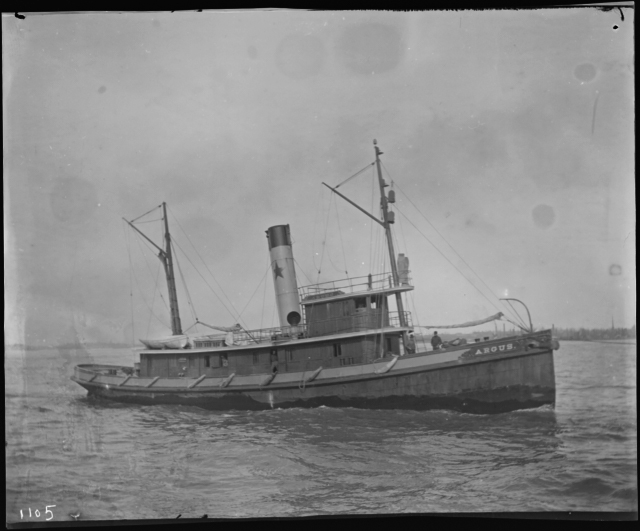 MS0094-1105 Argus
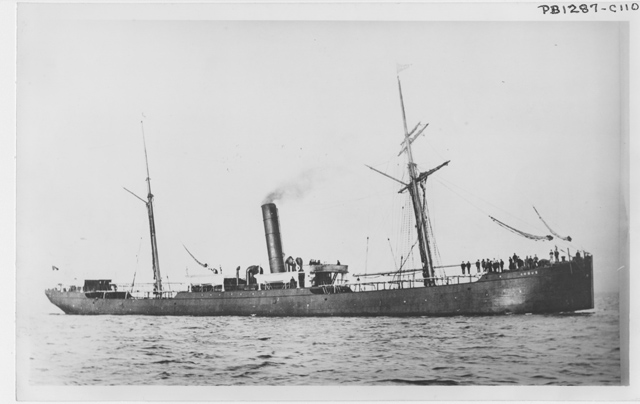 Full-size image
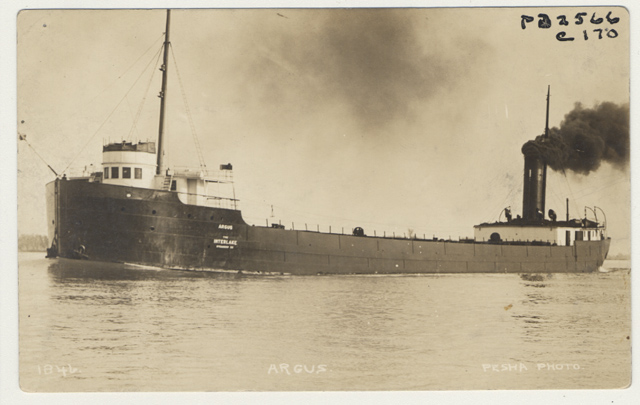 Full-size image
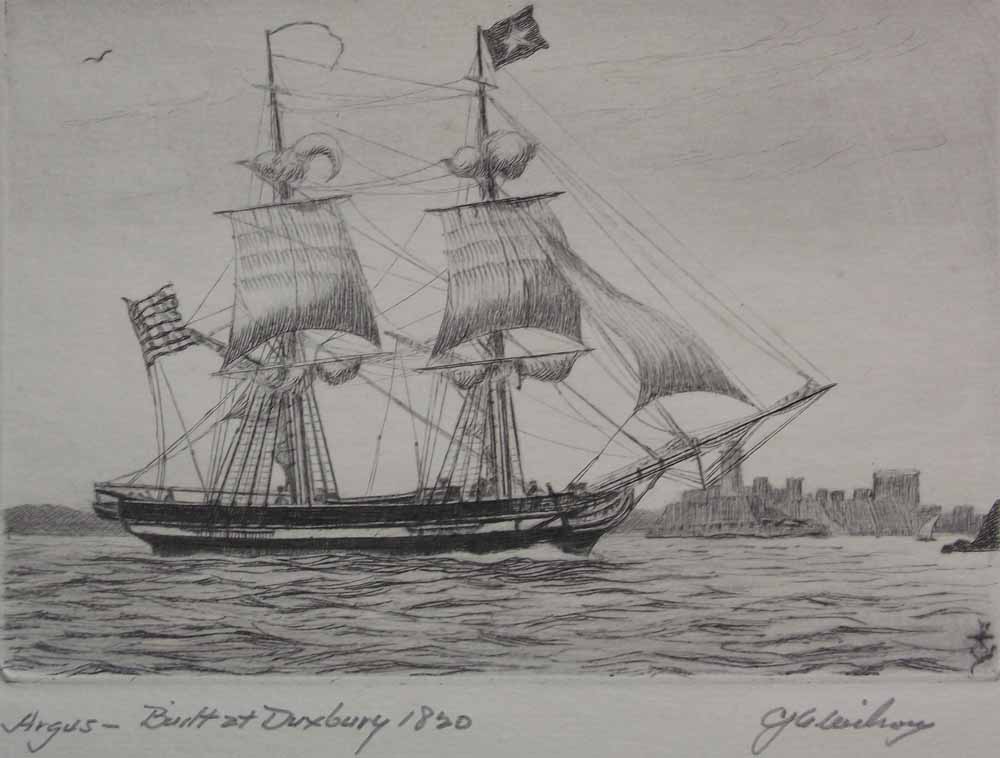 Full-size image
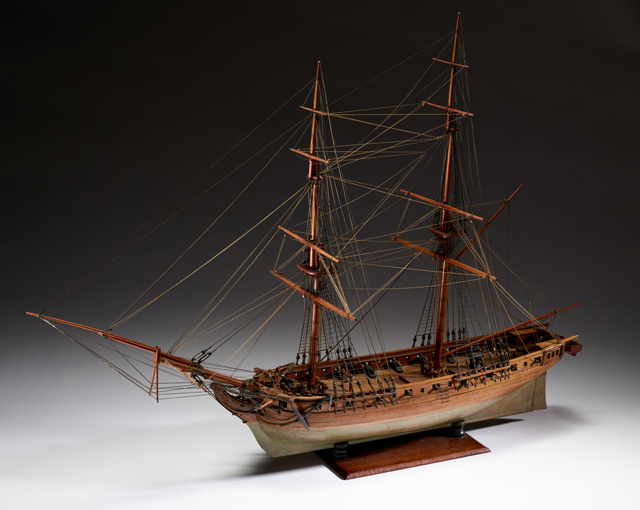 1935.0569.000001
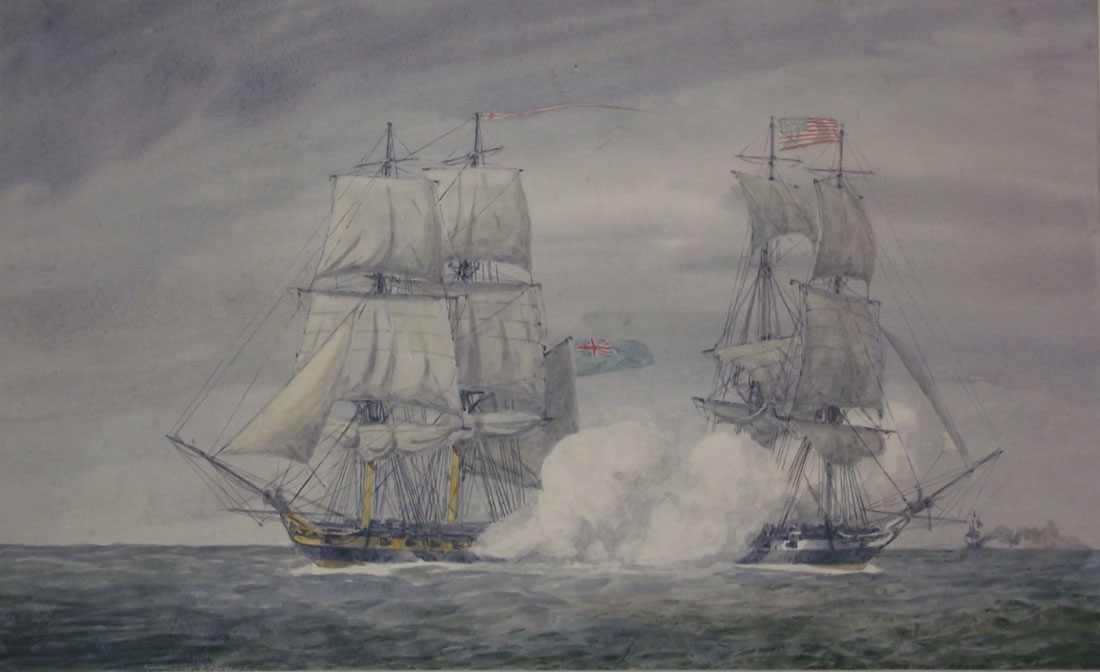 Full-size image
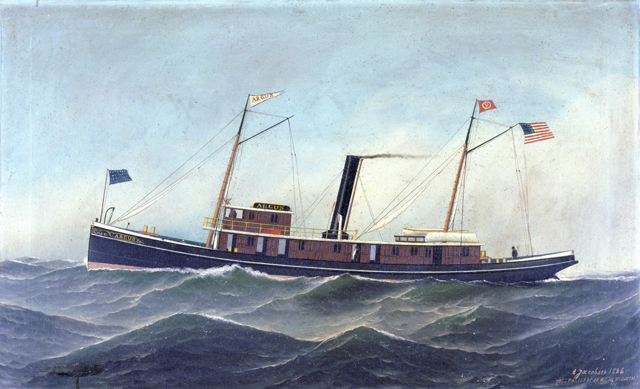 1940.1095.000001
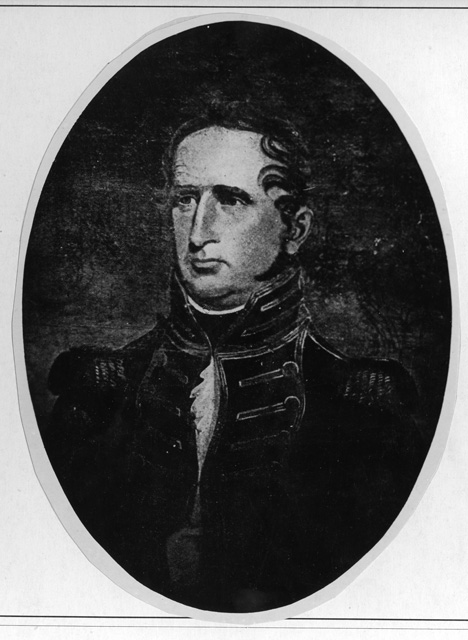 UPP446_edited-1
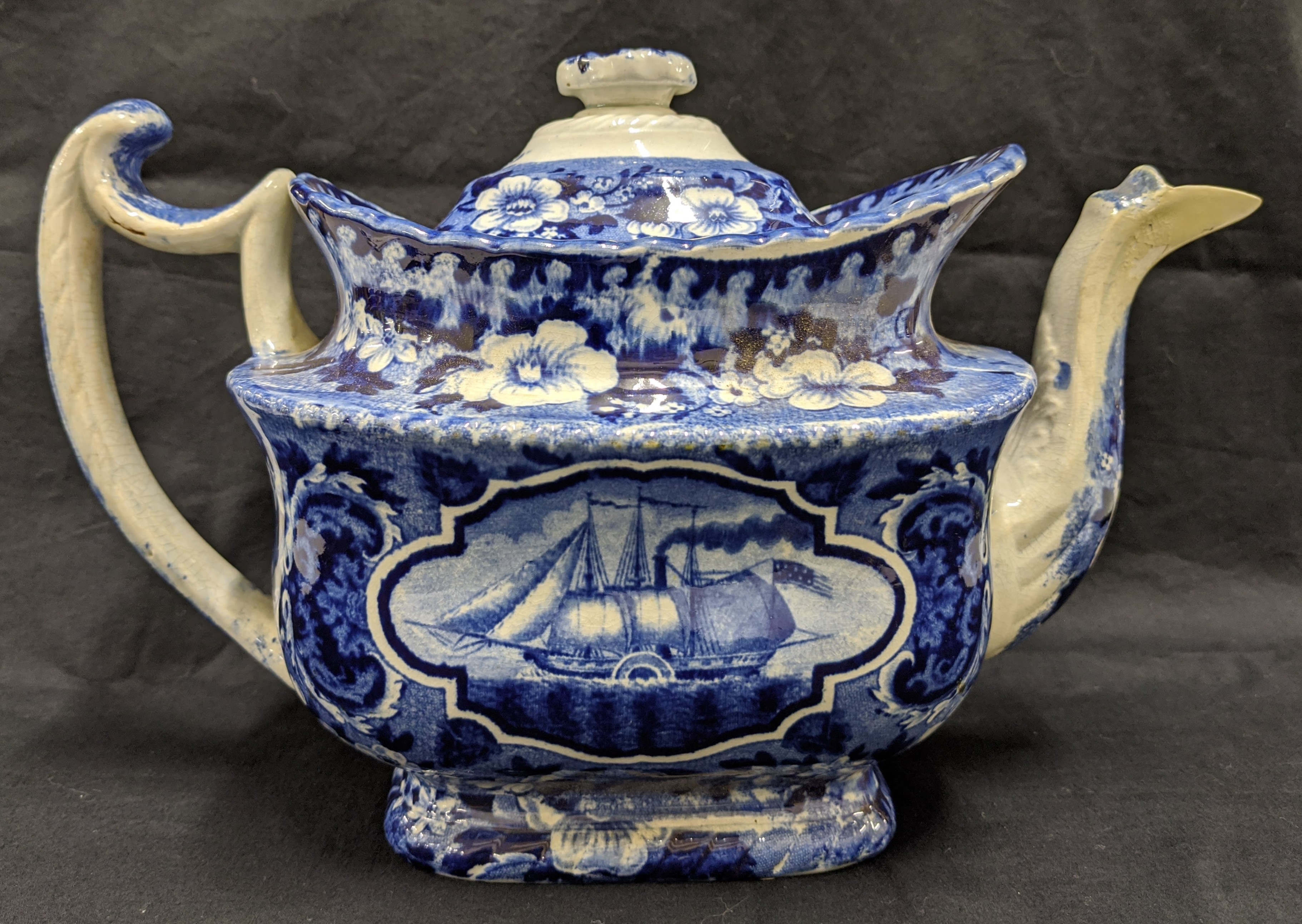 FN528
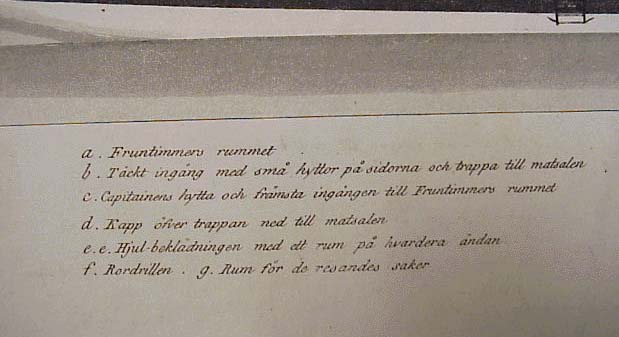 Full-size image
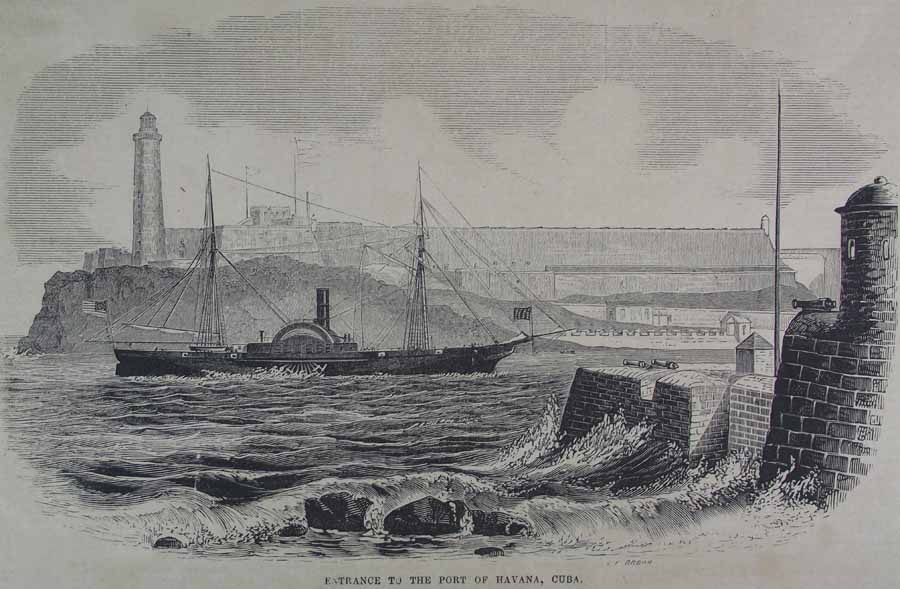 Full-size image
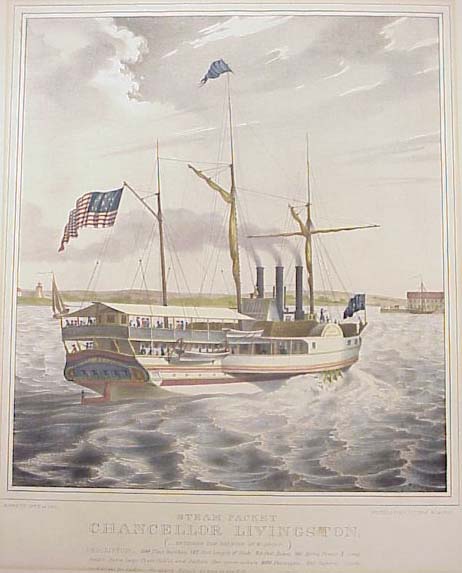 Full-size image
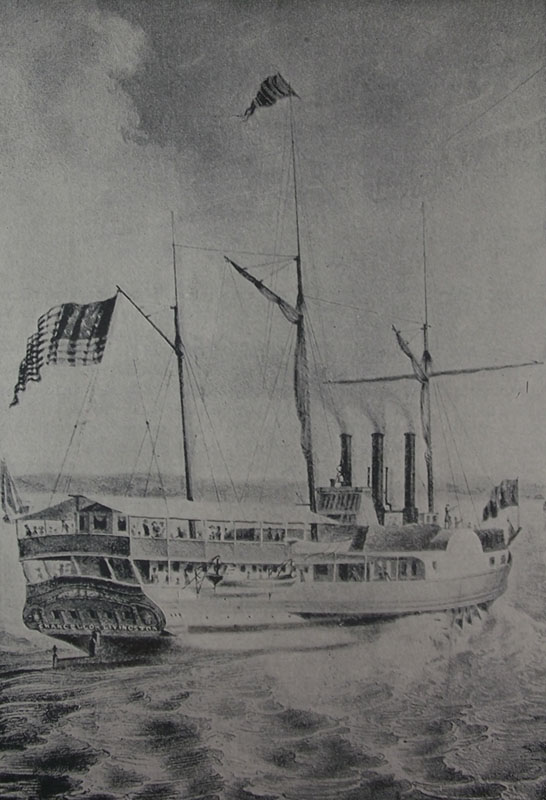 88-41-614c
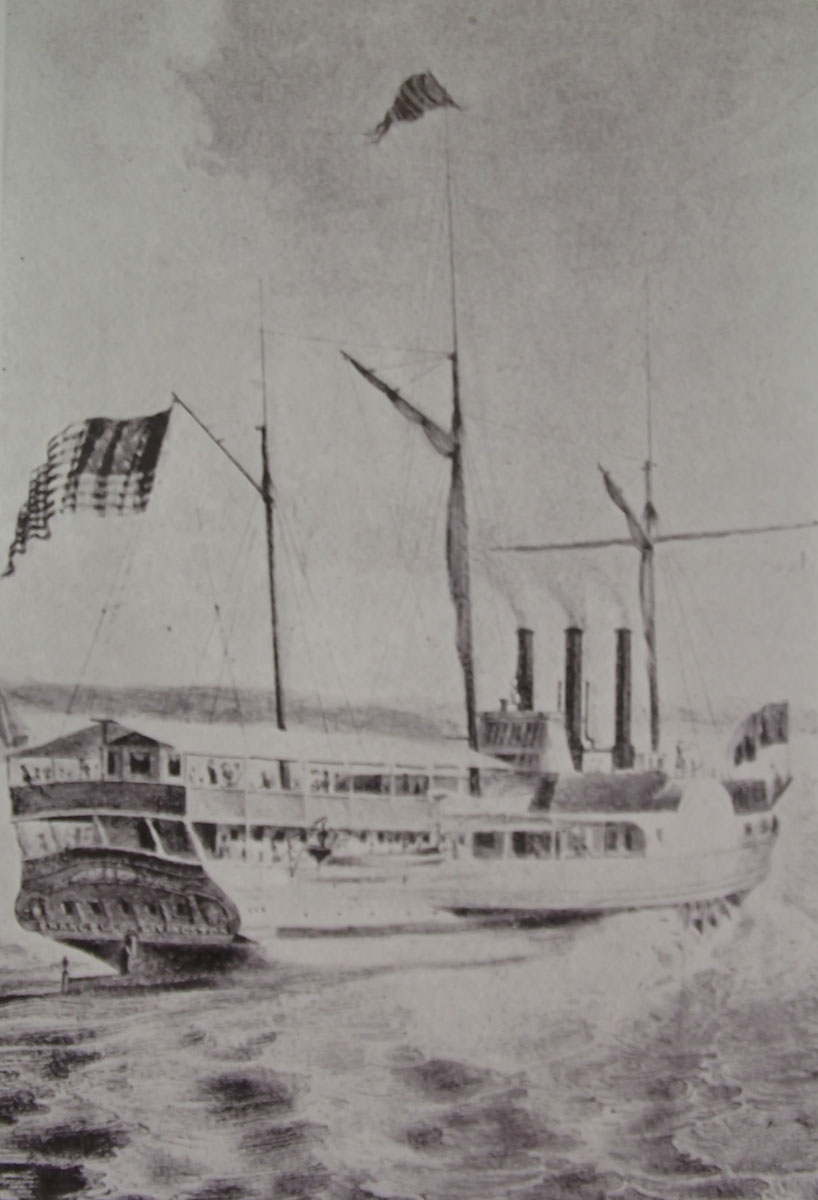 88-41-614b
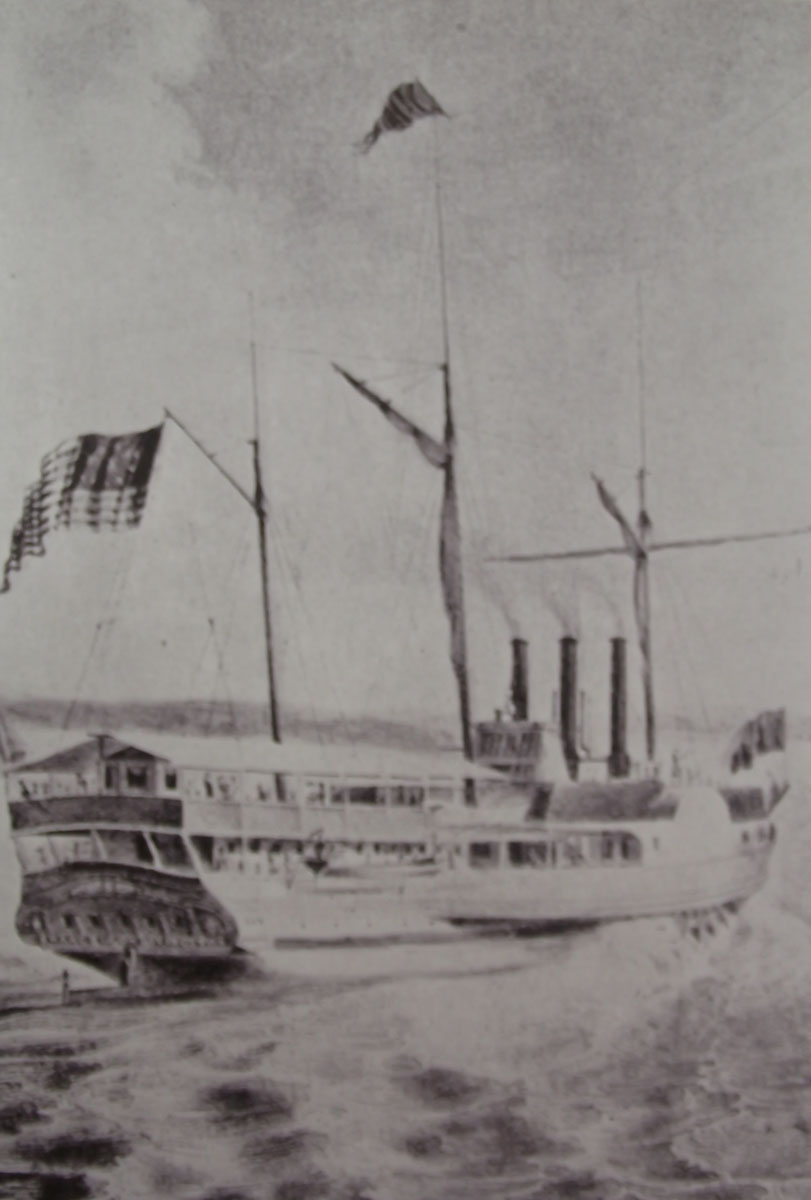 88-41-614a
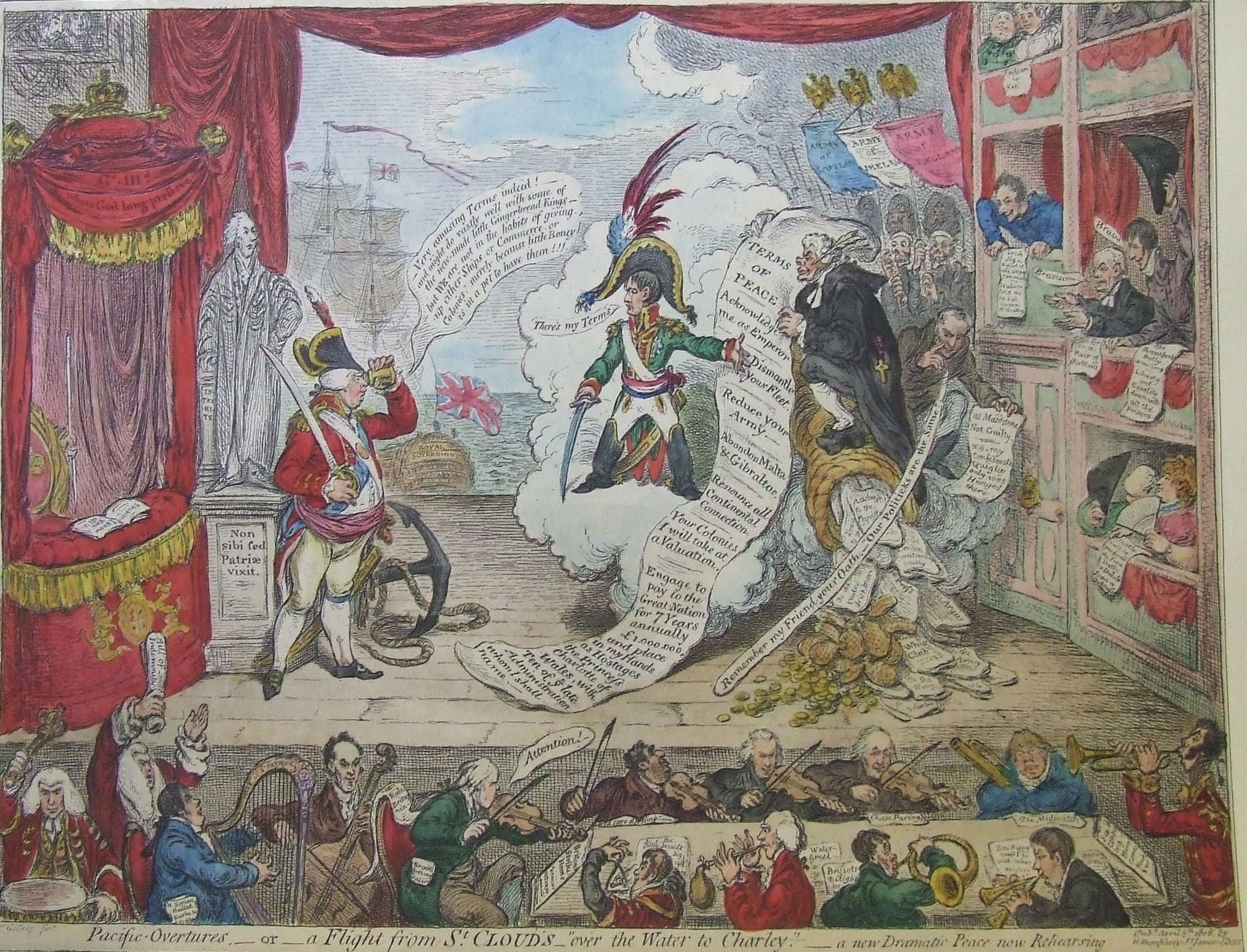 Full-size image
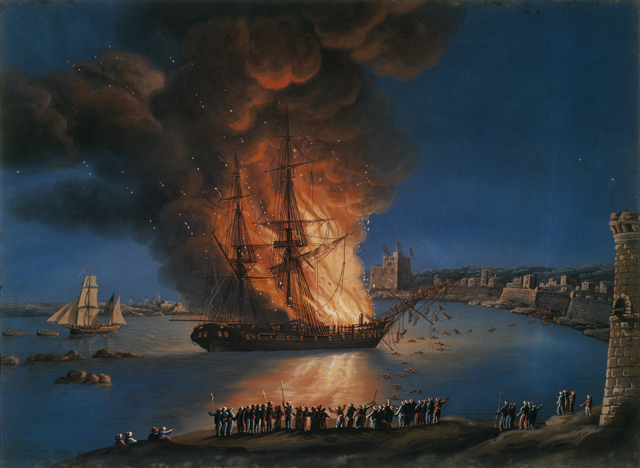 1934.0777.000001
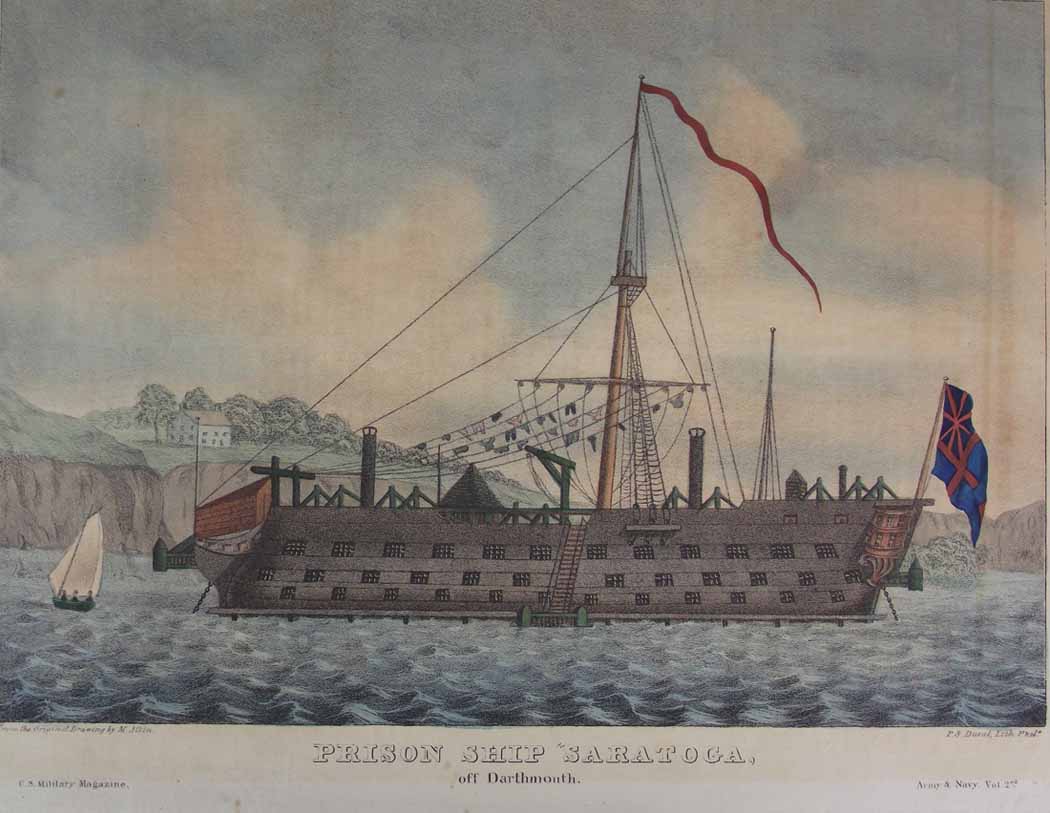 Full-size image
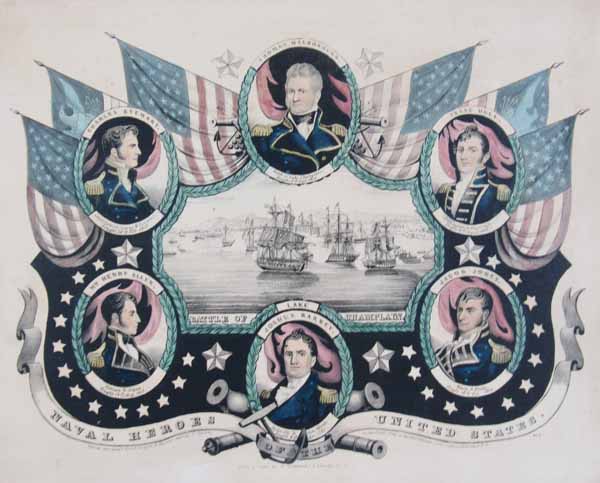 lp2861
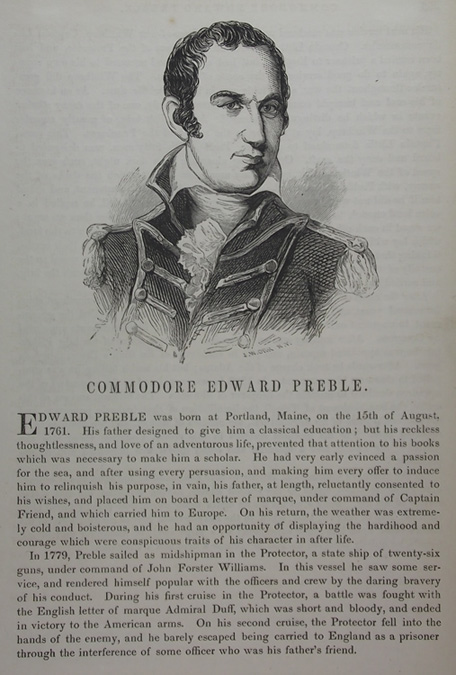 le3092
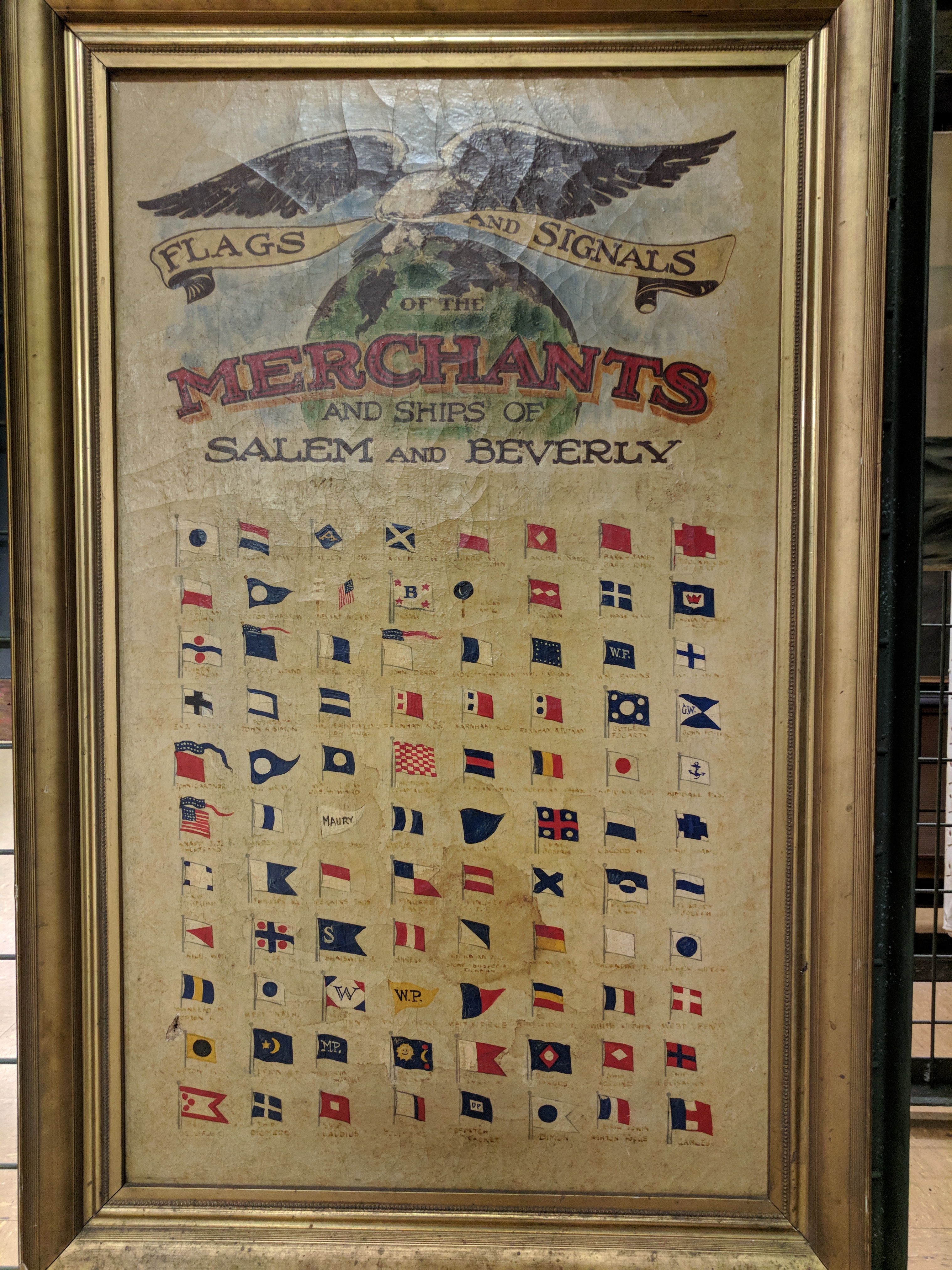 QO 1027
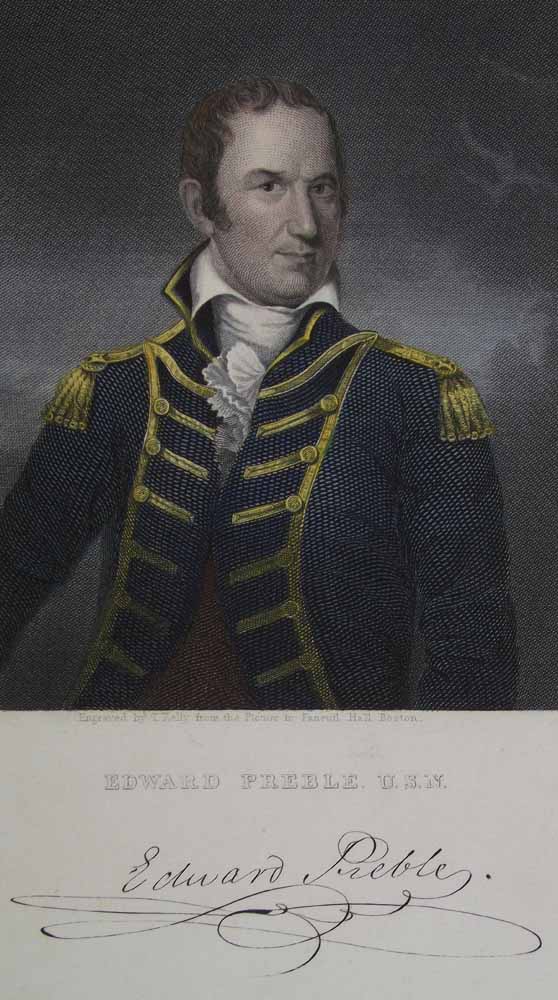 Full-size image
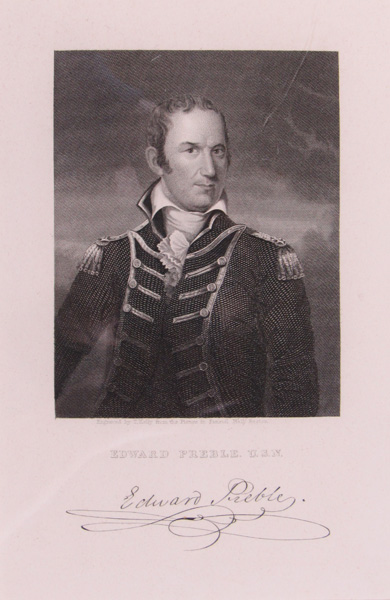 le2059
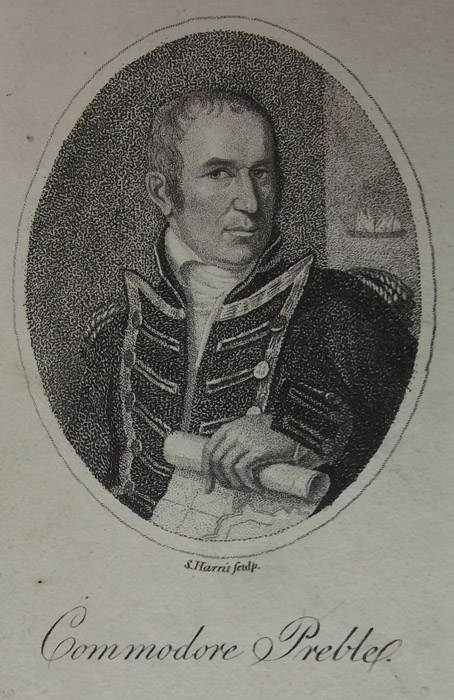 le3063
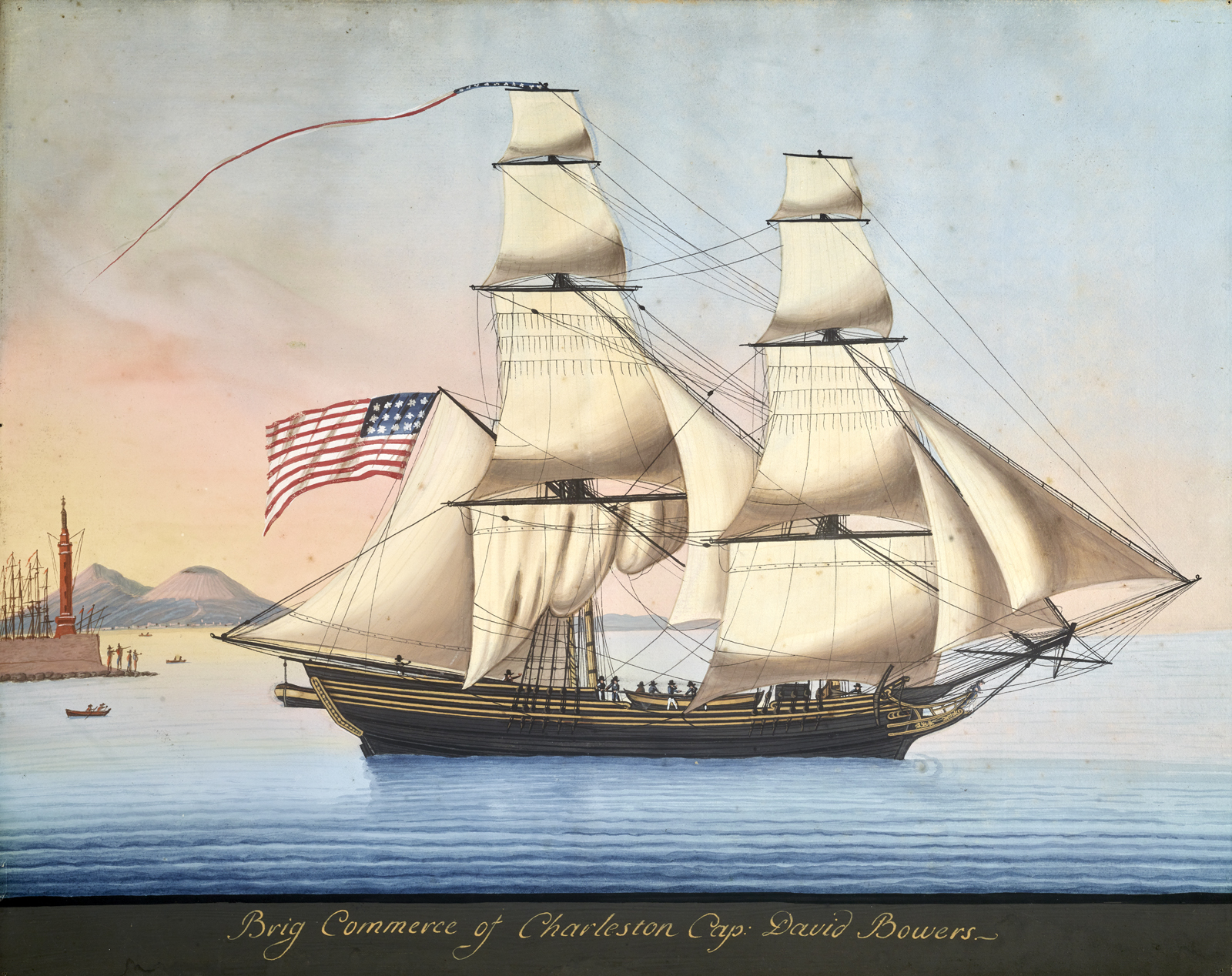 1944.0193.000001
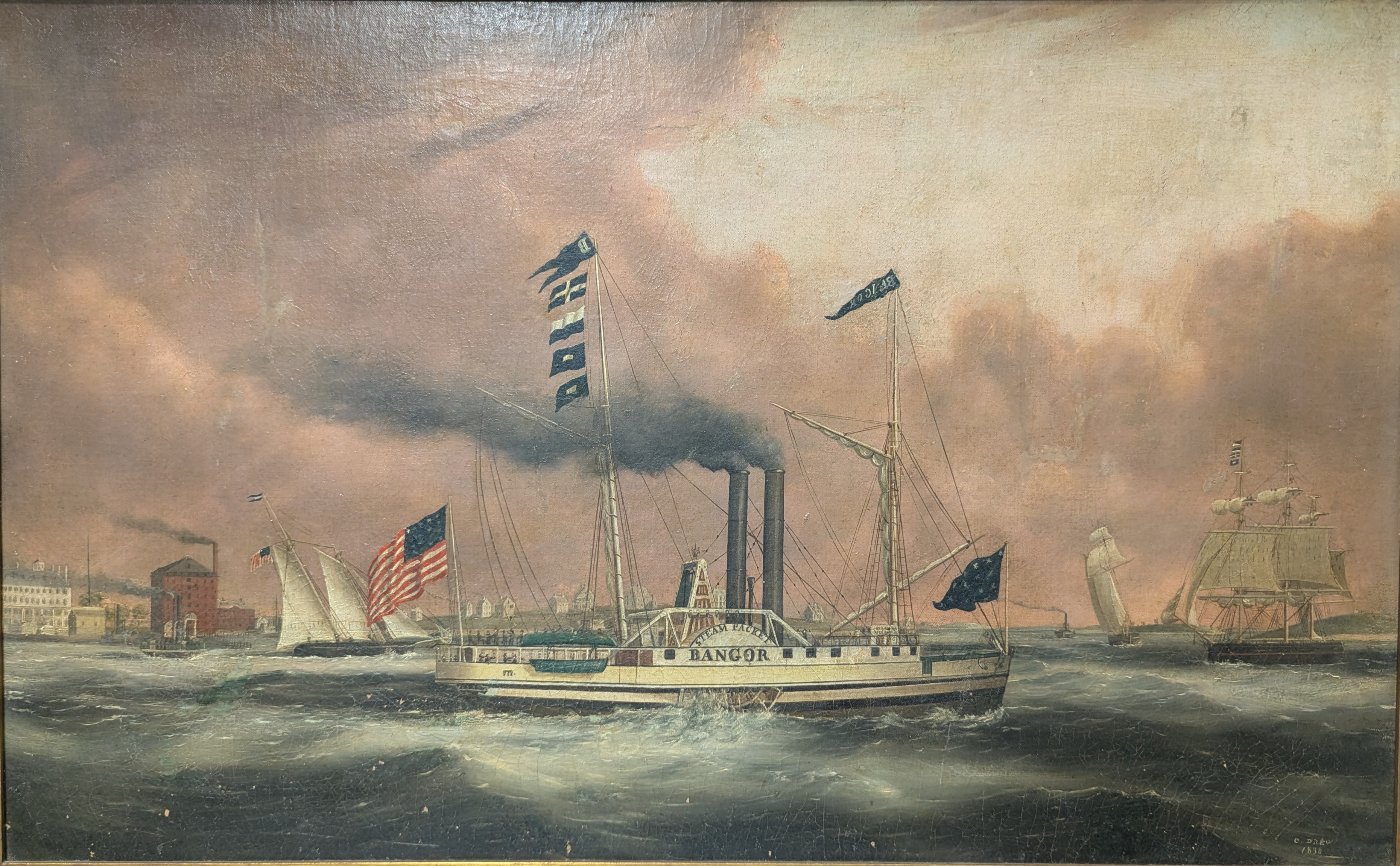 qo471_1
 FC32_1
 Full-size image